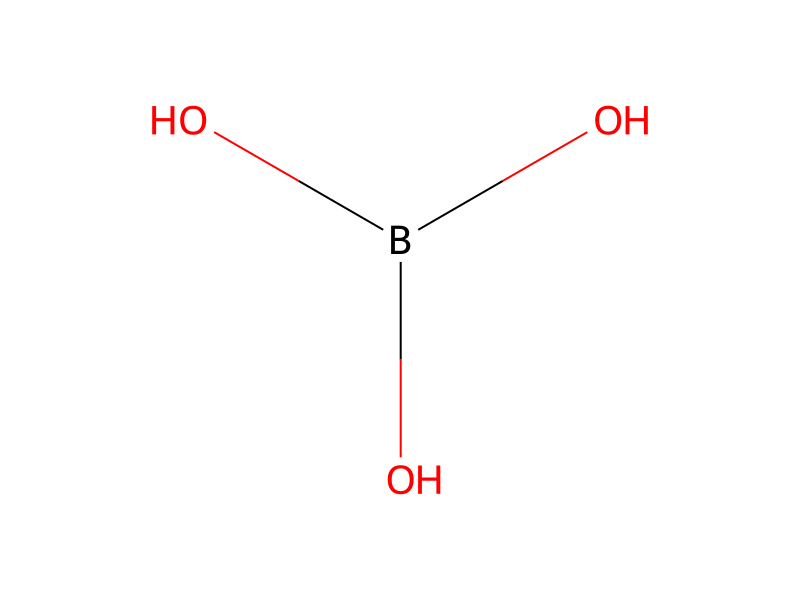
[CH:1]([C:3]1[CH:8]=[CH:7][C:6]([C:9]2[N:17]=[C:12]3[CH:13]=[CH:14][CH:15]=[CH:16][N:11]3[N:10]=2)=[CH:5][CH:4]=1)=O.[Cl:18][C:19]1[CH:25]=[CH:24][CH:23]=[CH:22][C:20]=1[NH2:21].B(O)(O)O.O>C1(C)C(C)=CC=CC=1>[Cl:18][C:19]1[CH:25]=[CH:24][CH:23]=[CH:22][C:20]=1[N:21]=[CH:1][C:3]1[CH:8]=[CH:7][C:6]([C:9]2[N:17]=[C:12]3[CH:13]=[CH:14][CH:15]=[CH:16][N:11]3[N:10]=2)=[CH:5][CH:4]=122.32 g of 2-(p-formylphenyl)-s-triazolo[1,5-a]pyridine (II), 14.03 g of o-chloroaniline and 1 g of boric acid in 350 ml of xylene are refluxed for 2 hours, the water formed being distilled off. The mixture is cooled to 60° C., 450 ml of methanol are added and the resulting mixture is further cooled to -10° C. The product which has precipitated is filtered off with suction, washed with 100 ml of cold methanol and dried. This gives 26.3 g (79.1% of theory) of compound (101) in the form of a pale beige powder with a melting point of 135° to 136° C. After recrystallising twice from methanol, 22.2 g (66.7% of theory) of small, pale yellow, glossy needles with a melting point of 135° to 136° C. are obtained.
Loading…