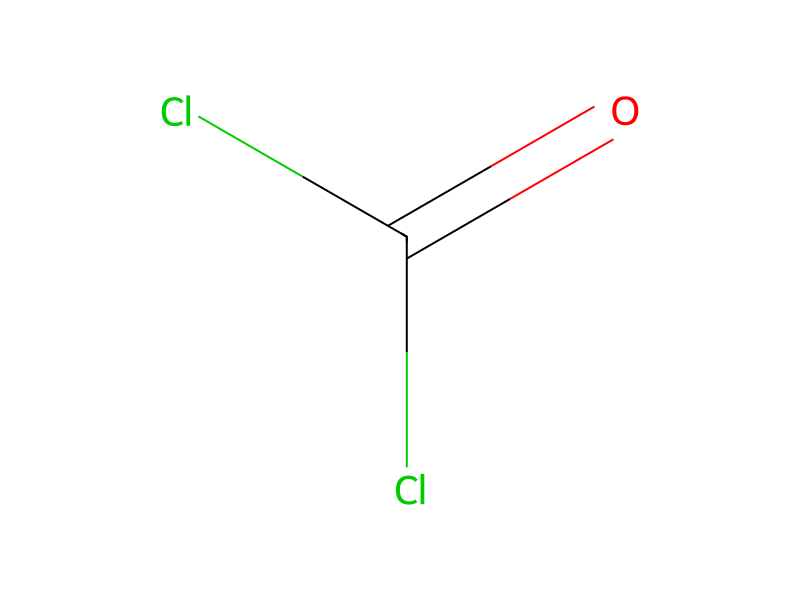
[C:1](Cl)(Cl)=[O:2].[OH:5][CH:6]([CH2:16][NH:17][CH:18]([CH3:20])[CH3:19])[CH2:7][O:8][C:9]1[CH:10]=[N:11][C:12]([CH3:15])=[CH:13][CH:14]=1>C1(C)C=CC=CC=1.O1CCOCC1.N1C(C)=CC=CC=1C>[CH:18]([N:17]1[CH2:16][CH:6]([CH2:7][O:8][C:9]2[CH:10]=[N:11][C:12]([CH3:15])=[CH:13][CH:14]=2)[O:5][C:1]1=[O:2])([CH3:20])[CH3:19]A solution of 10 g of phosgene in 40 ml of toluene is added dropwise at 5°-10° C. to 15.6 g of 3-(2'-hydroxy-3'-isopropylamino-propoxy)-6-methyl-pyridine, dissolved in 75 ml of dioxane, in the presence of 8 ml of 2,6-lutidine, whilst stirring. The reaction mixture is stirred overnight at room temperature and is then evaporated in vacuo. The evaporation residue is rendered alkaline with a little concentrated sodium hydroxide solution and is extracted with 200 ml of ethyl acetate. The organic phase is evaporated, initially at approx. 20 mm Hg and then at 0.01 mm Hg/60° C. bath temperature. Approx. 50 ml of ether are added to the residue which remains, giving crystalline 3-isopropyl-5-[(6-methylpyridin-3-yloxy)methyl]-oxazolidin-2-one of melting point 86°-88° C.