Potassium Carbonate → HCID 15044003, compound
Reaction equation

[NH2:1][C:2]1[C:3]2[C:8]([N:9]=[C:10]3[C:15]=1[C:14](=[O:16])[CH2:13][CH:12]([Si:17]([C:20]1C=CC=CC=1)(C)[CH3:18])[CH2:11]3)=[CH:7][CH:6]=[CH:5][CH:4]=2.[F:26][B-](F)(F)F.[H+].C(=O)([O-])[O-].[K+].[K+]>ClCCl>[NH2:1][C:2]1[C:3]2[C:8]([N:9]=[C:10]3[C:15]=1[C:14](=[O:16])[CH2:13][CH:12]([Si:17]([F:26])([CH3:20])[CH3:18])[CH2:11]3)=[CH:7][CH:6]=[CH:5][CH:4]=2Participants
5
Reactant 3

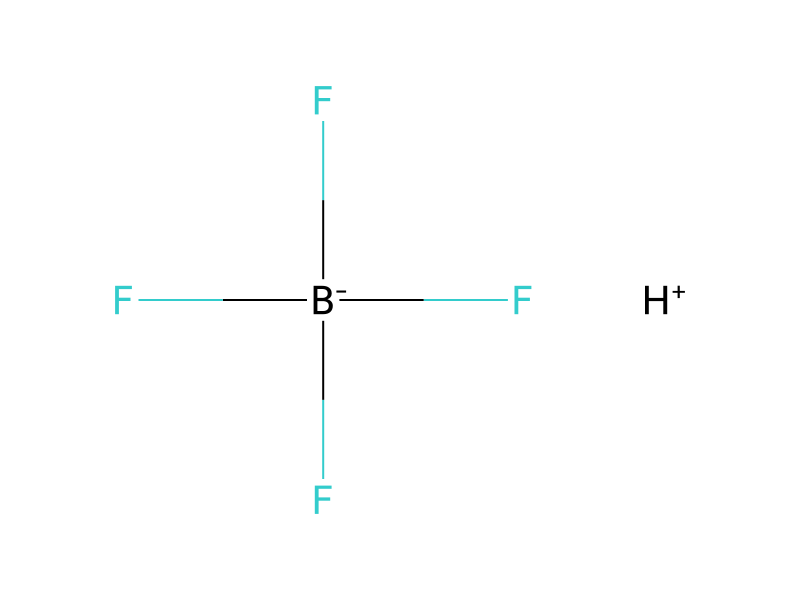

Product 1

Reagents, catalysts & solvents 1

Procedure
A mixture of 9-amino-3,4-dihydro-3-(phenyldimethylsilyl)acridin- 1 (2H)-one (5.0 g), dichloromethane (80 ml) and tetrafluoroboric acid etherate (25 ml) was stirred overnight at ambient temperature. The reaction mixture was poured into saturated potassium carbonate solution and extracted with ethyl acetate. The suspension was filtered through celite and the organic phase was separated. The aqueous phase was extracted with ethyl acetate and the combined organic phases were dried over anhydrous magnesium sulfate, filtered, and the flitrate evaporated to give 3.79 g (90%) of product, which is used in Example 8 without purification and without delay.