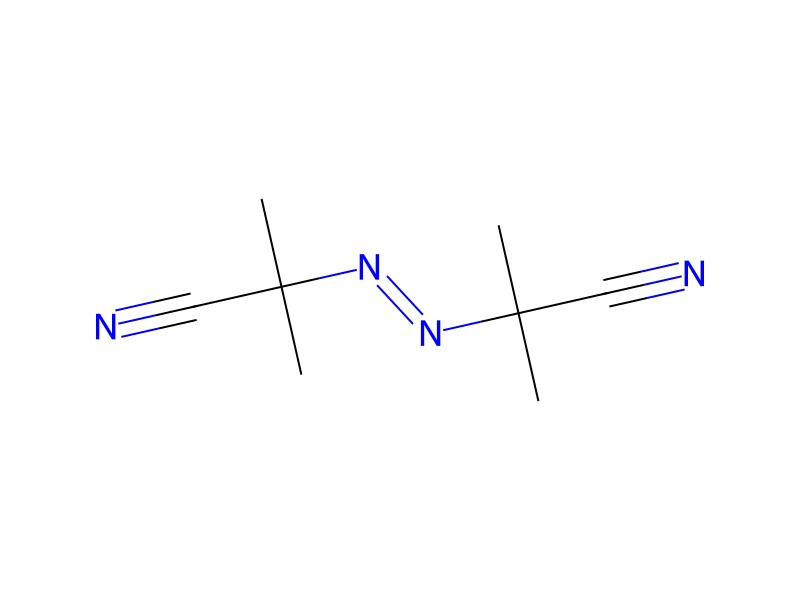
A mixture of 2-chloro-7-methyl-thieno[3,2-d]pyrimidine (1.8 g), N-bromosuccinimide (1.8 g), 2,2′-azobis(2-methylpropionitrile) (0.1 g) in carbon tetrachloride (50 mL) was heated at reflux for 1 hour. The resulting mixture was cooled, the solid was filtered off and the filtrate was evaporated under reduced pressure. The residue was dissolved in acetonitrile (20 mL) and diisopropylethylamine (2.0 mL) was added, followed by pyridine-N-oxide (3 g) and the resulting mixture was heated at 100° C. for 30 minutes. The reaction mixture was cooled, diluted with ethyl acetate, washed with water and brine, dried over anhydrous sodium sulfate, filtered and evaporated under reduced pressure. The crude residue was purified by flash chromatography (hexane/EtOAc) to afford 0.25 g of 2-chloro-thieno[3,2-d]pyrimidine-7-carbaldehyde and 1 g of 2-chloro-7-methyl-thieno[3,2-d]pyrimidine starting material.