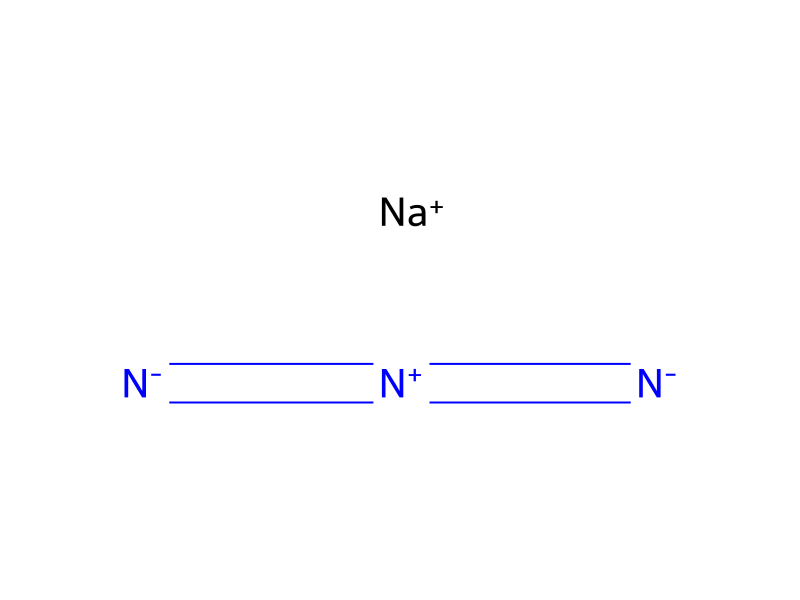
[CH2:1]([N:8]1[C:13](=[O:14])[C:12]2[C:15]([CH3:18])=[N:16][S:17][C:11]=2[N:10]=[C:9]1[CH:19](Br)[CH:20]([CH3:22])[CH3:21])[C:2]1[CH:7]=[CH:6][CH:5]=[CH:4][CH:3]=1.[N-:24]=[N+:25]=[N-:26].[Na+].[Br-]>CN(C=O)C>[N:24]([CH:19]([C:9]1[N:8]([CH2:1][C:2]2[CH:7]=[CH:6][CH:5]=[CH:4][CH:3]=2)[C:13](=[O:14])[C:12]2[C:15]([CH3:18])=[N:16][S:17][C:11]=2[N:10]=1)[CH:20]([CH3:22])[CH3:21])=[N+:25]=[N-:26]To a solution of 5-benzyl-6-(1-bromo-2-methyl-propyl)-3-methyl-5H-isothiazolo[5,4-d]pyrimidin-4-one (method 28) (0.6 g, 1.52 mmol) in anhydrous DMF (20 mL), sodium azide (0.65 g, 10 mmol) was added and the mixture was stirred at room temperature for 1 hour. The TLC of the RM showed the complete disappearance of the starting bromide. The reaction mixture was poured into ice water (300 mL) and extracted with EtOAc (3×100 mL). The organic layer was washed with water (100 mL), brine (100 mL) and dried (Na2SO4). Concentration of the organic layer provided the crude product which was purified by column (silica gel) chromatography using 30% EtOAc in hexanes as eluent to isolate 6-(1-azido-2-methyl-propyl)-5-benzyl-3-methyl-5H-isothiazolo[5,4-d]pyrimidin-4-one (0.506 g, 94%) as a low melting solid. m/z 355 (MH+), 1H NMR (300 MHz) δ 0.57 (d, 3H), 1.07 (d, 3H), 2.50-2.74 (m, 1H), 2.98 (s, 3H), 3.71 (d, 1H), 5.05 (d, 1H), 5.78 (d, 1H), 7.12-7.40 (m, 5H).