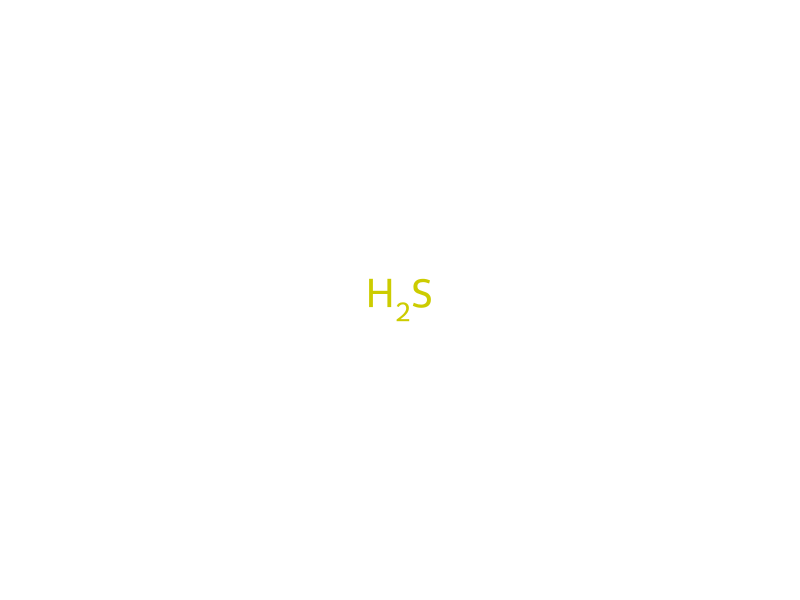
Hydrogen Sulfide → 2,4-dihydro-5-phenyl-2-[1-(9H-fluoren-9-ylmethoxycarbonyl)-4-piperidinyl]-3H-1,2,4-triazol-3-one
HRID 1782686
Reaction equation

[CH:1]1[C:13]2[CH:12]([CH2:14][O:15][C:16]([N:18]3[CH2:23][CH2:22][CH:21]([NH:24][NH2:25])[CH2:20][CH2:19]3)=[O:17])[C:11]3[C:6](=[CH:7][CH:8]=[CH:9][CH:10]=3)[C:5]=2[CH:4]=[CH:3][CH:2]=1.S.O1[CH2:31][CH2:30][CH2:29][CH2:28]1>>[C:29]1([C:28]2[NH:18][C:16](=[O:15])[N:24]([CH:21]3[CH2:22][CH2:23][N:18]([C:16]([O:15][CH2:14][CH:12]4[C:13]5[CH:1]=[CH:2][CH:3]=[CH:4][C:5]=5[C:6]5[C:11]4=[CH:10][CH:9]=[CH:8][CH:7]=5)=[O:17])[CH2:19][CH2:20]3)[N:25]=2)[CH:30]=[CH:31][CH:13]=[CH:1][CH:2]=1Participants
4



Procedure
The solutions of 5.56 g (0.0165 mol) of [1-(9H-fluoren-9-ylmethoxycarbonyl)-4-piperidinyl]-hydrazine in 60 ml of tetrahydrofuran and 3.7 g (0.0177 mol) of N-(ethoxycarbonyl)-benzothionamide in 30 ml of tetrahydrofuran were combined and refluxed for 1 hour, whereupon hydrogen sulphide was released. The solvent was distilled off in vacuo, the oily residue remaining was boiled with a little acetonitrile. The mixture was allowed to cool, then additionally cooled from outside with ice water and the resulting precipitate was suction filtered. 4.0 g (52% of theory) of colourless crystals were obtained, melting point 142° C. and Rf=0.38 (eluant 4).