Ethanol → 4-(Pyridin-3-yl)benzaldehyde
HRID 1784661
Reaction equation

[CH:1]([C:3]1[CH:8]=[CH:7][C:6](OB(O)O)=[CH:5][CH:4]=1)=[O:2].C(=O)([O-])[O-].[Na+].[Na+].C(O)C.Br[C:23]1[CH:24]=[N:25][CH:26]=[CH:27][CH:28]=1>C1(C)C=CC=CC=1.C1C=CC([P]([Pd]([P](C2C=CC=CC=2)(C2C=CC=CC=2)C2C=CC=CC=2)([P](C2C=CC=CC=2)(C2C=CC=CC=2)C2C=CC=CC=2)[P](C2C=CC=CC=2)(C2C=CC=CC=2)C2C=CC=CC=2)(C2C=CC=CC=2)C2C=CC=CC=2)=CC=1.O>[N:25]1[CH:26]=[CH:27][CH:28]=[C:23]([C:6]2[CH:7]=[CH:8][C:3]([CH:1]=[O:2])=[CH:4][CH:5]=2)[CH:24]=1Participants
8
Reactant 4


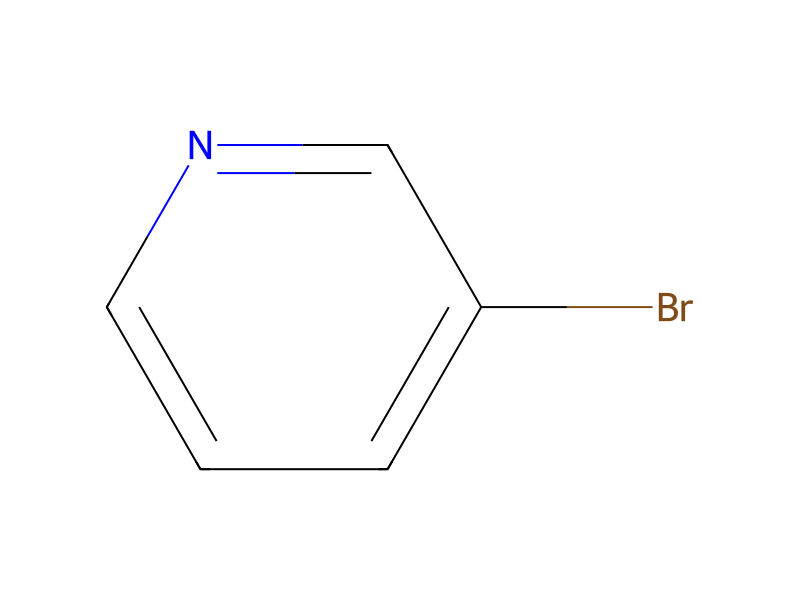

Product 1

Reagents, catalysts & solvents 3


