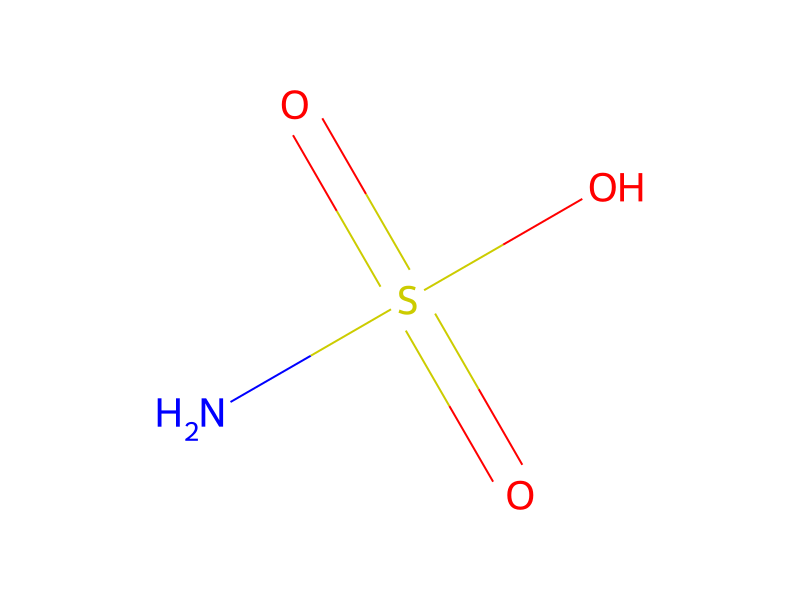
4-(N-Acetylamino)-2-amino-1-chloro-5-fluorobenzene (7.0 g) was suspended in a mixture of conc. hydrochloric acid (9 ml), water (40 ml) and ice (60 g), and the suspension was kept at -5° to 10° C., preferably at 0° C. A solution of sodium nitrite (2.5 g) in water (8 ml) was dropwise added to the suspension, which was then stirred at the same temperature for 1 hour. To the thus prepared diazonium salt solution, sulfamic acid (0.2 g) was added, and the resultant mixture was added to a mixture of thioglycollic acid (4.1 g), basic cupric carbonate (2.3 g) and water (34 ml) and stirred at 15° to 25° C., followed by stirring for 30 minutes. A 50% sodium hydroxide solution (8.4 ml) was dropwise added thereto to make pH at 7 to 8, followed by stirring at 95° to 100° C. for 1 hour. The reaction mixture was filtered by celite while hot to remove the copper salt. The filtrate was made acidic with conc. hydrochloric acid (12 ml) and extracted with ethyl acetate. The extract was dried, and the solvent was removed under reduced pressure to give 4.8 g of 5-(N-acetylamino)-2-chloro-4-fluorophenylthioacetic acid. M.P., 145.0°-147.0° C.