Hydrochloric Acid → HCID 22034125, compound
HRID 1792280
Reaction equation

[Cl:1][C:2]1[CH:7]=[CH:6][CH:5]=[C:4]([Cl:8])[C:3]=1[C:9](=O)[C:10](=[N:18]O)[C:11](=O)[C:12]([O:14][CH2:15][CH3:16])=[O:13].Cl.[CH3:22][NH:23][NH2:24]>CO>[NH2:18][C:10]1[C:11]([C:12]([O:14][CH2:15][CH3:16])=[O:13])=[N:24][N:23]([CH3:22])[C:9]=1[C:3]1[C:2]([Cl:1])=[CH:7][CH:6]=[CH:5][C:4]=1[Cl:8]Participants
5
Reactant 3

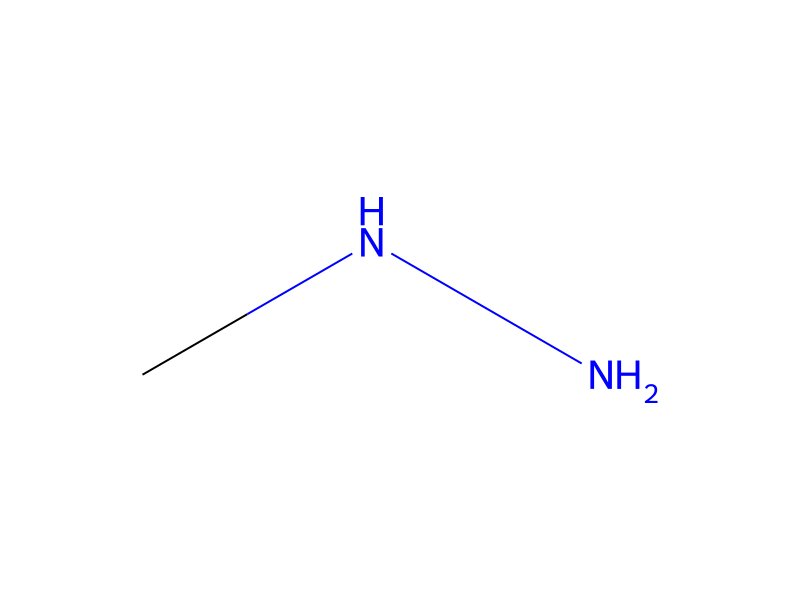

Product 1

Reagents, catalysts & solvents 1

Procedure
To a solution of ethyl 4-(2,6-dichlorophenyl)-3-(hydroxyimino)-2,4-dioxobutanoate (14 g, 44 mmol) in MeOH (400 mL) at 0° C., add dropwise-concentrated HCl (10 mL) followed by methyl hydrazine (2.02 g, 44 mmol). Stir the reaction mixture at ambient temperature for 8 h and concentrate in vacuo. Partition the residue between EtOAc (400 mL) and saturated aqueous NaHCO3 (150 mL) and separate the layers. Add water (200 mL) to the organic layer, followed by sodium hydrosulfite (150 g) and stir the resulting mixture vigorously for 4 h. Separate the organic phase, wash with water (200 mL), brine (200 mL), dry over MgSO4 and evaporate to obtain the title compound.