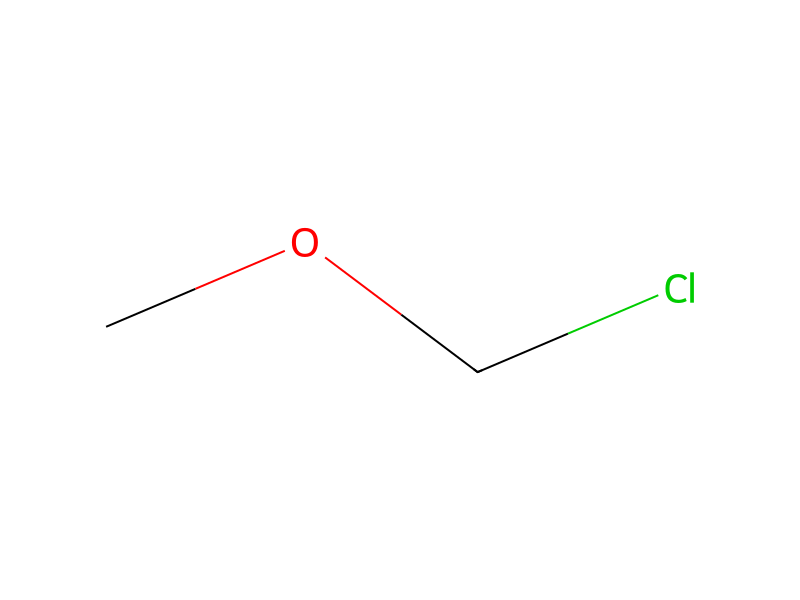
[OH:1][C:2]1[CH:11]=[C:10]2[C:5]([C:6](=[O:20])[C:7]([C:13]3[CH:18]=[CH:17][C:16]([OH:19])=[CH:15][CH:14]=3)([CH3:12])[CH2:8][S:9]2)=[CH:4][CH:3]=1.[C:21](=[O:24])([O-])[O-].[K+].[K+].[CH3:27][O:28][CH2:29]Cl.O.[CH3:32]C(C)=O>>[CH3:27][O:28][CH2:29][O:1][C:2]1[CH:11]=[C:10]2[C:5]([C:6](=[O:20])[C:7]([C:13]3[CH:18]=[CH:17][C:16]([O:19][CH2:32][O:24][CH3:21])=[CH:15][CH:14]=3)([CH3:12])[CH2:8][S:9]2)=[CH:4][CH:3]=1To a solution of 7-hydroxy-3-(4-hydroxyphenyl)-3-methylthiochroman-4-one (1.92 g, 6.7 mmol) in dry acetone (200 ml) were added potassium carbonate (8.34 g, 60.42 mmol) and methoxymethyl chloride (3.04 ml, 40.28 mmol), which was then heated for 8 hours. Water was added thereto, and the resulting solution was extracted with ethyl acetate. Then, the organic layer was washed with water and saturated sodium chloride solution, dried over anhydrous magnesium sulfate, and concentrated under reduced pressure. The residue was subjected to flash chromatography on silica gel (n-hexane:ethyl acetate=7:3 and 1:1) to give the title compound (2.50 g, yield 99%).