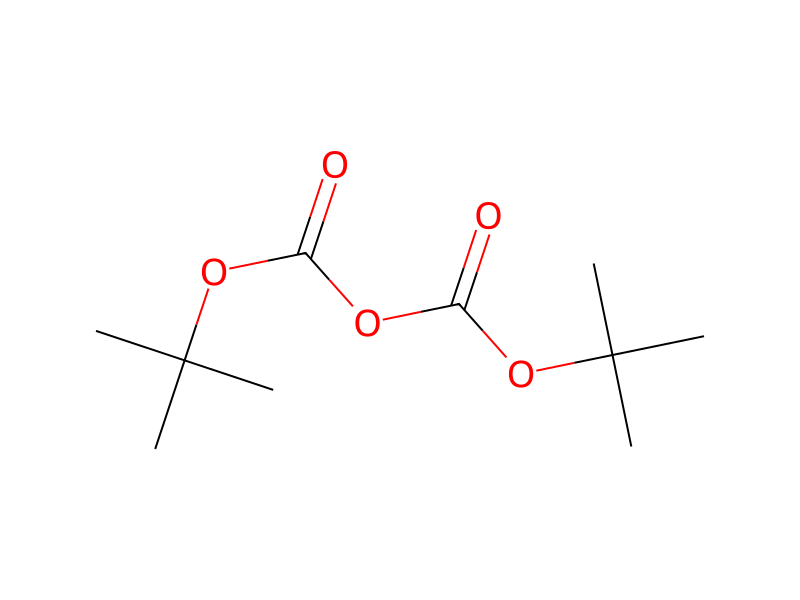
1,1,1,2,2-Pentafluoro-5-p-toluenesulfonyloxypentane (4.00 mg, 12.0 mmol) was dissolved in methanol (40 ml), NaN3 (936 mg, 14.4 mmol) dissolved in water (10 ml) was added thereto, and the mixture was stirred overnight at 60° C. After the reaction was completed, the reaction mixture was extracted with chloroform and washed with saturated saline solution. The organic layer was dried over magnesium sulfate and concentrated under reduced pressure. The residue was dissolved in methanol (40 ml), (Boc)2O (2.62 g, 12.0 mmol) and Pd—C (800 mg) were added thereto, and then the mixture was stirred overnight under hydrogen. After the reaction was completed, the mixture was filtered, and the filtrate was concentrated under reduced pressure. The residue was subjected to silica gel column chromatography (n-hexane:ethyl acetate=4:1) to give 4,4,5,5,5-pentafluoropentylcarbamic acid t-butylester (1.12 g, yield 50%).