HomeMCPWorkbenchSkills
HomeWorkbenchNotificationsMe
llms.txt · MCP GuidePrivacy Policy · Terms of Service · Supportv1.8.3
  1. Home
  2. /Reaction

Borane;tetrahydrofuran → (R)-2-bromo-1-pyridin-3-yl-ethanol

HRID 1794783
Print

Reaction equation

HRID 1794783 reaction equation
B.C1COCC1.B1(C)OC(C2C=CC=CC=2)(C2C=CC=CC=2)[C@H]2N1CCC2.Br.[Br:29][CH2:30][C:31]([C:33]1[CH:34]=[N:35][CH:36]=[CH:37][CH:38]=1)=[O:32]>O1CCCC1>[Br:29][CH2:30][C@@H:31]([C:33]1[CH:34]=[N:35][CH:36]=[CH:37][CH:38]=1)[OH:32]
ParticipantsConditionsProcedureWorkupSources & evidenceReaction notes

Participants

5

Reactant 3

HCID 2723981Borane;tetrahydrofuranHCID 2734713(3aS)-1-methyl-3,3-diphenyl-hexahydropyrrolo(1,2-c)(1,3,2)oxazaboroleHCID 27762343-(2-Bromoacetyl)pyridine hydrobromide

Product 1

HCID 10192646(R)-2-bromo-1-pyridin-3-yl-ethanolYield 27%

Reagents, catalysts & solvents 1

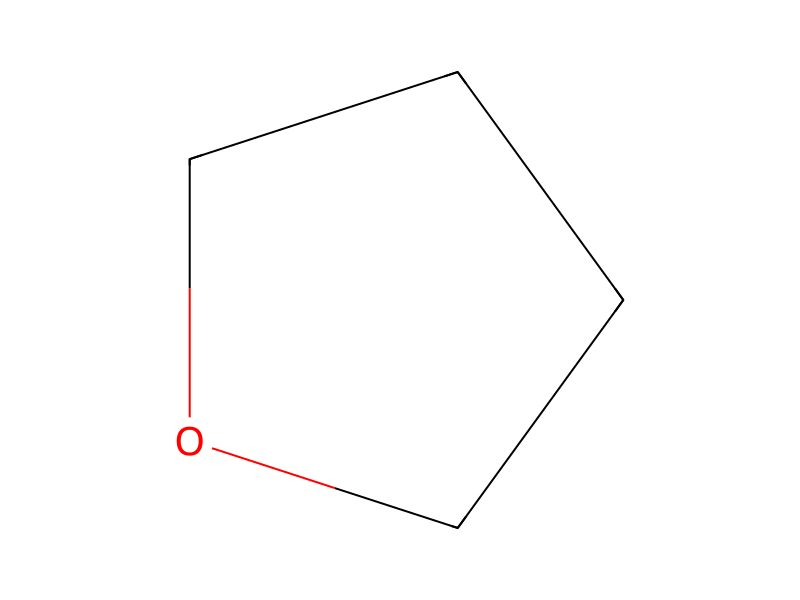
HCID 8028Tetrahydrofuran
Solvent
2×

Conditions

Temperature
0 °C

Procedure

A solution of borane-THF (1.0 M solution, 22.8 mL) was added dropwise into a cold (0° C.) solution of (S)-2-methyl-CBS-oxazaborolidine monohydrate (1.12 g, 3.8 mmol) in tetrahydrofuran (20 mL), over a period of 10 minutes. After stirring at 0° C. for 10 minutes, the mixture was added dropwise to a cold (0° C.) suspension of 3-(2-bromoacetyl)pyridine hydrobromide (10.6 g, 38.0 mmol) in tetrahydrofuran (70 mL) over a period of 10 minutes. After the addition the mixture was stirred at room temperature, under a nitrogen atmosphere, overnight. The reaction was cooled to 0° C. and quenched with hydrogen chloride (0.5 M in methanol, 9 mL). The mixture was further diluted with water and extracted with ethyl acetate. The extracts were washed with water and dried with MgSO4. Evaporation and purification by flash column chromatography (dichloromethane/methyl alcohol 95/5) gave (1R)-2-bromo-1-(3-pyridinyl)-1-ethanol as a brown oil (2.01 g, 27% yield). This oil was dissolved in tetrahydrofuran (18 mL) and then sodium hydroxide (5N, 35 mL) was added. The solution was stirred at room temperature for 10 minutes. The mixture was diluted with water and extracted with dichloromethane. The extracts were washed with water, dried with magnesium sulfate. The extracts were concentrated to give the title compound as a white solid (1.01 g, 84% yield); 1H NMR (300 MHz, DMSO-d6) δ 2.93–2.97 (m, 2 H), 3.14–3.17 (m, 2 H), 3.99–4.01 (m, 2 H), 7.36–7.40 (m, 1 H), 7.63–7.66 (m, 1 H), 8.51–8.55 (m, 3 H); MS (ES) m/z: 122 (MH+).

Workup

  1. additionAfter the addition the mixture
  2. stirringwas stirred at room temperature, under a nitrogen atmosphere, overnight
  3. temperatureThe reaction was cooled to 0° C.
  4. customquenched with hydrogen chloride (0.5 M in methanol, 9 mL)
  5. additionThe mixture was further diluted with water
  6. extractionextracted with ethyl acetate
  7. washThe extracts were washed with water
  8. dry with materialdried with MgSO4
  9. customEvaporation and purification by flash column chromatography (dichloromethane/methyl alcohol 95/5)

Sources & evidence

ORD record
ord-819a36ba22384f43aacc5c83fadf36cf
Source dataset
uspto-grants-2006_04
DOI
10.6084/m9.figshare.5104873.v1
Patent number
US07022716B2

Reaction notes

On this pageParticipantsConditionsProcedureWorkupSources & evidenceReaction notes