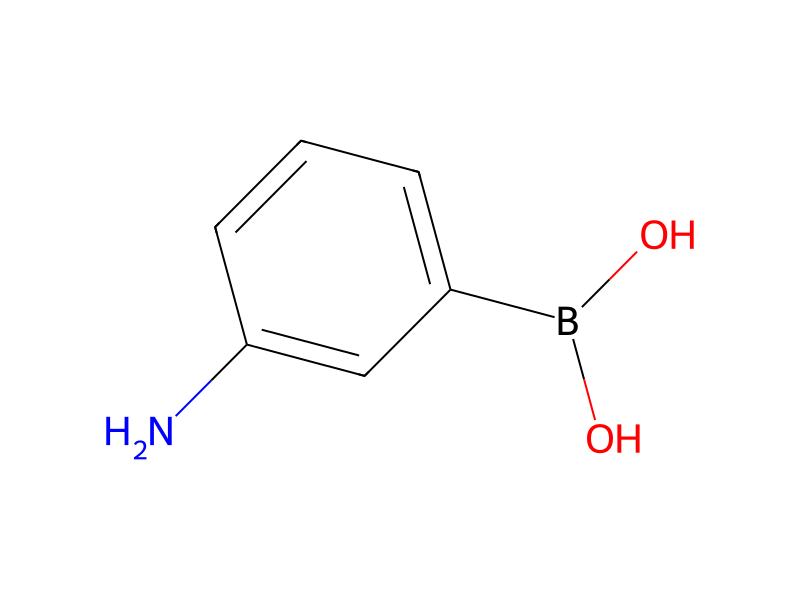
[F:1][C:2]([C:12]1[CH:17]=[CH:16][C:15](I)=[CH:14][CH:13]=1)([CH3:11])[CH2:3][NH:4][S:5]([CH:8]([CH3:10])[CH3:9])(=[O:7])=[O:6].[NH2:19][C:20]1[CH:21]=[C:22](B(O)O)[CH:23]=[CH:24][CH:25]=1.C(=O)([O-])[O-].[K+].[K+].O>O1CCOCC1.O>[NH2:19][C:20]1[CH:25]=[C:24]([C:15]2[CH:16]=[CH:17][C:12]([C:2]([F:1])([CH3:11])[CH2:3][NH:4][S:5]([CH:8]([CH3:10])[CH3:9])(=[O:7])=[O:6])=[CH:13][CH:14]=2)[CH:23]=[CH:22][CH:21]=1Scheme VI, Step A′: Into a 50 mL single neck flask [2-fluoro-2-(4-iodophenyl)propyl][(methylethyl)sulfonyl]amine (200 mg, 0.53 mmol, prepared in example 1), 3-aminobenzene boronic acid (188 mg, 0.76 mmol), potassium carbonate (104 mg, 0.76 mmol) and tetrakis(triphenyl phosphine)palladium(0) (41 mg, 0.036 mmol) were combined in dioxane/water (20 mL, 3:1). The mixture was heated at 100° C. under stirring for 18 hours. The reaction was cooled to room temperature and poured into H2O. The desired product was extracted with ethyl acetate and the organic layer was separated and washed twice with H2O, dried over K2CO3, and concentrated under reduced vacuum to yield the crude material (276 mg) as a dark oil. The resulting oil was purified via silica gel chromatography employing the Chromatotron using a 4000 micron rotor and eluting with a solvent of Hexane/Ethyl Acetate 1:1 to yield the title compound (164 mg, 90%) as a viscous oil. Ion spray M.S. 351.4 (M*+1).