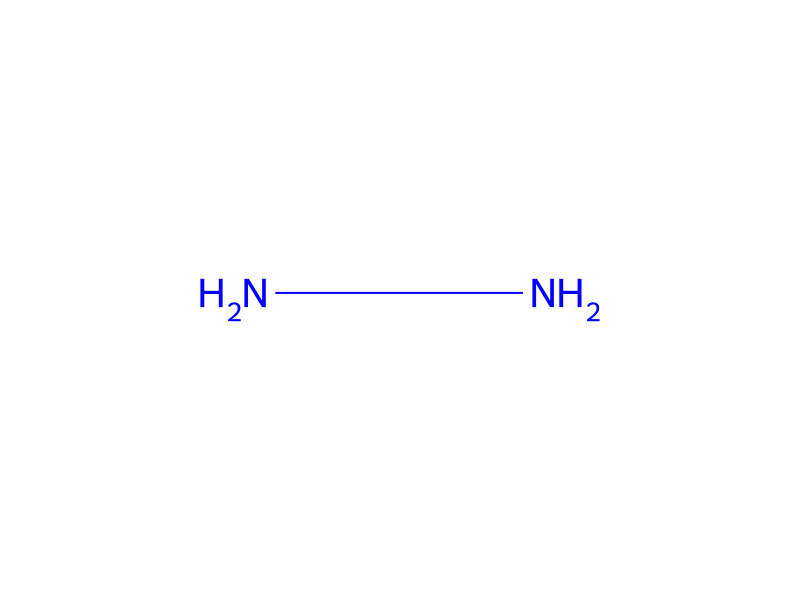
Hydrazine → HCID 178478326, compound
HRID 1809661
Reaction equation

Br[C:2]1[C:3](Cl)=[N:4][C:5]([Cl:8])=[N:6][CH:7]=1.[Br:10][C:11]1[CH:12]=[C:13]([CH:16]=[CH:17][CH:18]=1)[CH:14]=O.[NH2:19][NH2:20]>>[Br:10][C:11]1[CH:12]=[C:13]([C:14]2[C:2]3[C:3](=[N:4][C:5]([Cl:8])=[N:6][CH:7]=3)[NH:20][N:19]=2)[CH:16]=[CH:17][CH:18]=1Participants
4

Procedure
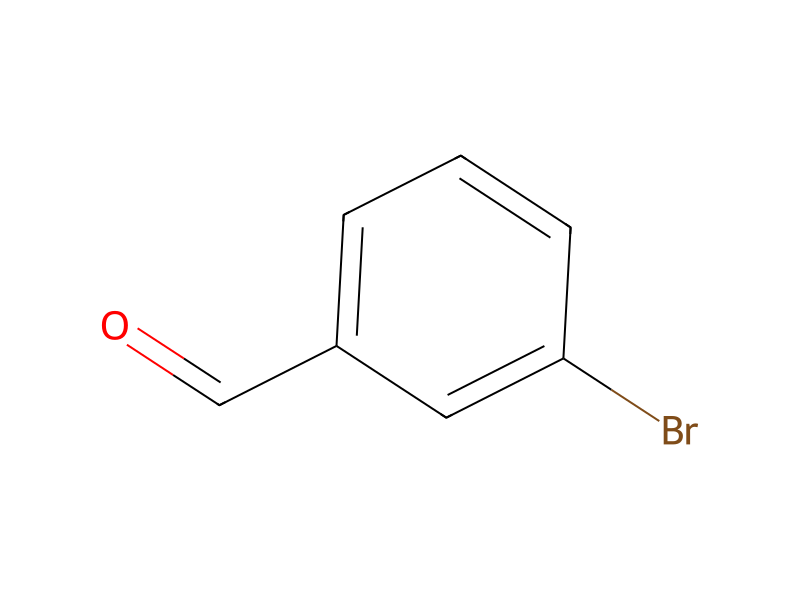
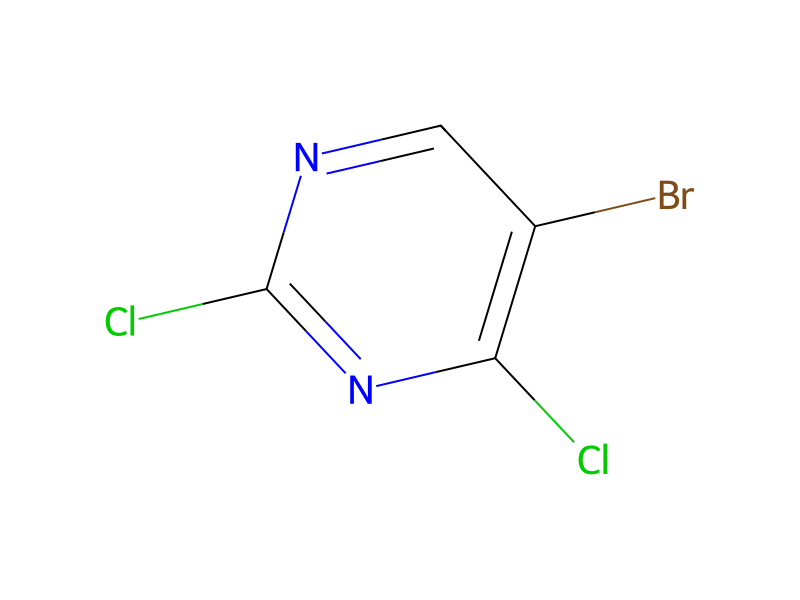
Alternatively, for compounds of formula Ib where X and Y are CH, in accordance to Scheme 3 below, 5-bromo-2,4-dichloro-pyrimidine (1) is reacted with 3-bromo-benzaldehyde (4) by a Grignard reaction and the corresponding coupled alcohol is oxidized to the ketone. The ketone is reacted with hydrazine to give 3-(3-bromo-phenyl)-6-chloro-1H-pyrazolo[3,4-d]pyrimidine. The remaining chloro group can then be replaced by reacting with the appropriate amine and the bromide can be displacement with the required amine under Buckwald conditions to give compounds Ib of this invention.