HomeMCPSkillsWorkbenchOpenChem
HomeWorkbenchNotificationsMe
llms.txt · skill.md · MCP GuidePrivacy Policy · Terms of Service · Supportv1.8.5
  1. Home
  2. /Reaction

2,8,9-Triisobutyl-2,5,8,9-tetraaza-1-phosphabicyclo(3.3.3)undecane → Adp-597

HRID 1811599
Print

Reaction equation

[CH:1]([O:4][C:5]([N:7]1[CH2:12][CH2:11][CH:10]([O:13][C:14]2[C:19]([O:20][CH3:21])=[C:18](Cl)[N:17]=[CH:16][N:15]=2)[CH2:9][CH2:8]1)=[O:6])([CH3:3])[CH3:2].[CH3:23][C:24]1[C:29]([NH2:30])=[CH:28][CH:27]=[C:26]([S:31]([CH3:34])(=[O:33])=[O:32])[N:25]=1.C(N1CCN2CCN(CC(C)C)P1N(CC(C)C)CC2)C(C)C.CC([O-])(C)C.[Na+]>O1CCOCC1.C([O-])(=O)C.[Pd+2].C([O-])(=O)C>[CH:1]([O:4][C:5]([N:7]1[CH2:12][CH2:11][CH:10]([O:13][C:14]2[C:19]([O:20][CH3:21])=[C:18]([NH:30][C:29]3[C:24]([CH3:23])=[N:25][C:26]([S:31]([CH3:34])(=[O:33])=[O:32])=[CH:27][CH:28]=3)[N:17]=[CH:16][N:15]=2)[CH2:9][CH2:8]1)=[O:6])([CH3:3])[CH3:2]
ParticipantsConditionsProcedureWorkupSources & evidenceReaction notes

Participants

7

Reactant 4

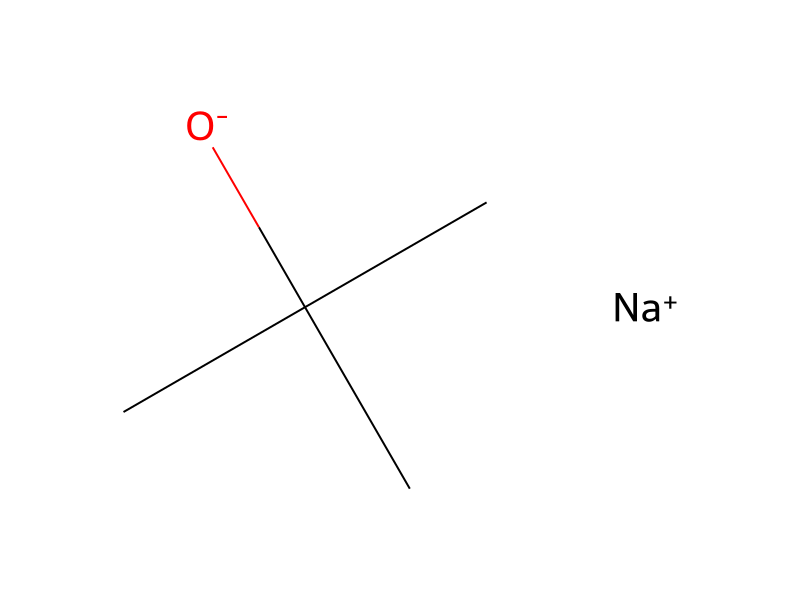
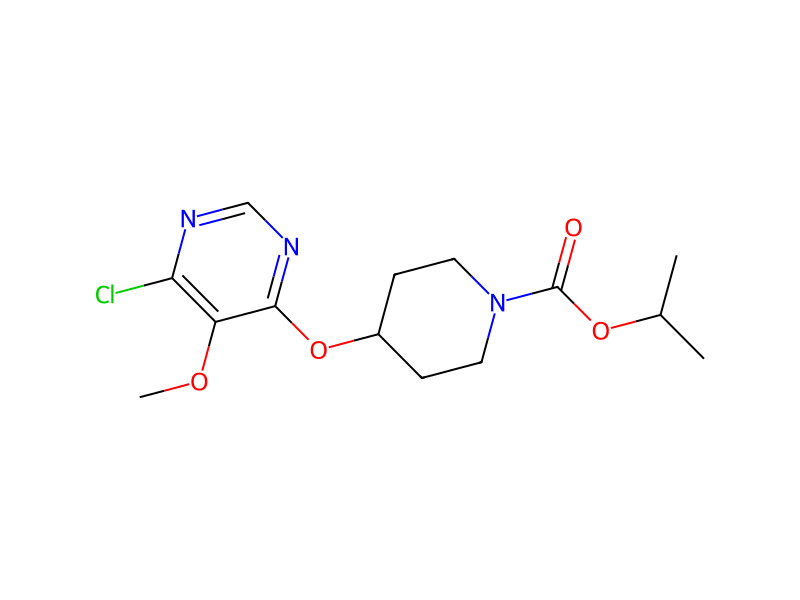
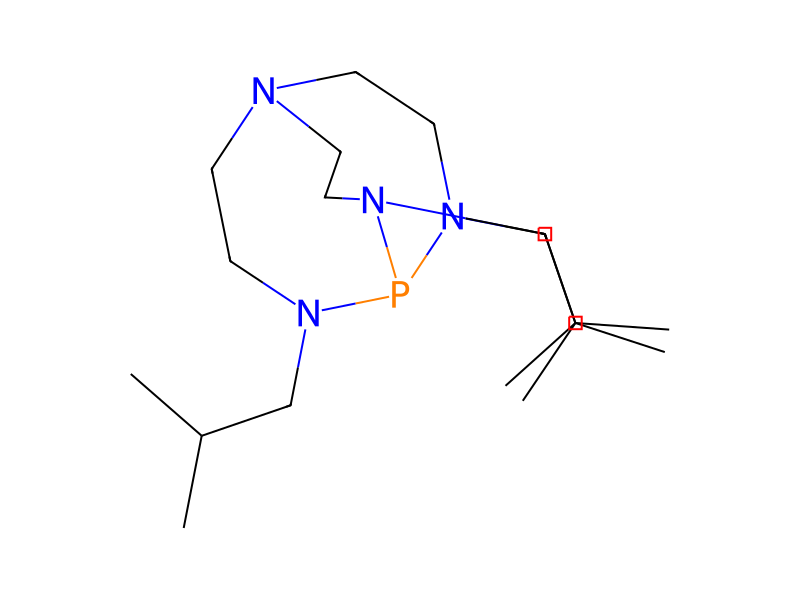
HCID 45712432,8,9-Triisobutyl-2,5,8,9-tetraaza-1-phosphabicyclo(3.3.3)undecaneHCID 23676156Sodium t-butoxideHCID 51050526Isopropyl 4-[(6-chloro-5-methoxypyrimidin-4-yl)oxy]piperidine-1-carboxylateHCID 510505272-Methyl-6-(methylsulfonyl)pyridin-3-amine

Product 1

HCID 11691484Adp-597Yield 22%

Reagents, catalysts & solvents 2

HCID 167845palladium(II) acetateCatalystHCID 312751,4-DioxaneSolvent

Conditions

Temperature
90 °C

Procedure

A mixture of 4-(6-chloro-5-methoxy-pyrimidin-4-yloxy)-piperidine-1-carboxylic acid isopropyl ester (14.7 g, 44.6 mmol), 2-methyl-6-(methylsulfonyl)pyridin-3-amine (8.20 g, 44.0 mmol), palladium acetate (0.50 g, 2.23 mmol), 2,8,9-triisobutyl-2,5,8,9-tetraaza-1-phospha-bicyclo[3.3.3]undecane (1.65 ml, 4.64 mmol), and sodium 2-methylpropan-2-olate (6.50 g, 67.6 mmol) in dioxane (300 mL) were stirred at 90° C. for 1 h and then at 60° C. overnight. The reaction mixture was cooled and filtered. The solid was washed with ethyl acetate. The filtrate was concentrated and the residue was purified by silica gel column chromatography using hexane/ethyl acetate (1:2). The fractions containing only the product were collected, and concentrated to give the title compound (4.6 g, 22%) that was crystallized from ethyl acetate/hexane as a white solid. The fractions containing the product contaminated with impurities were concentrated and the residue was further purified by recrystallization from ethanol to give the title compound (2.5 g, 12%) as a white solid. The two combined to give 7.1 g of the title compound in 34% yield. Exact mass calculated for C21H29N5O6S: 479.2. Found: LCMS m/z=480.4 (M+H+); 1H NMR (400 MHz, CDCl3) δ 1.27 (d, J=6.3 Hz, 6H), 1.80-1.85 (m, 2H), 2.02-2.07 (m, 2H), 2.66 (s, 3H), 3.19 (s, 3H), 3.38-3.45 (m, 2H), 3.78-3.83 (m, 2H), 4.01 (s, 3H), 4.91-4.97 (m, 1H), 5.38-5.42 (m, 1H), 7.30 (s, 1H), 7.97 (d, J=8.6 Hz, 1H), 8.20 (s, 1H), 9.01-9.04 (d, J=8.6 Hz, 1H).

Workup

  1. customat 60° C.
  2. customovernight
  3. temperatureThe reaction mixture was cooled
  4. filtrationfiltered
  5. washThe solid was washed with ethyl acetate
  6. concentrationThe filtrate was concentrated
  7. customthe residue was purified by silica gel column chromatography
  8. additionThe fractions containing only the product
  9. customwere collected
  10. concentrationconcentrated

Sources & evidence

ORD record
ord-30812c56644542e6a9a9b55ae07d3a9e
Source dataset
uspto-grants-2013_01
DOI
10.6084/m9.figshare.5104873.v1
Patent number
US08362248B2

Reaction notes

On this pageParticipantsConditionsProcedureWorkupSources & evidenceReaction notes