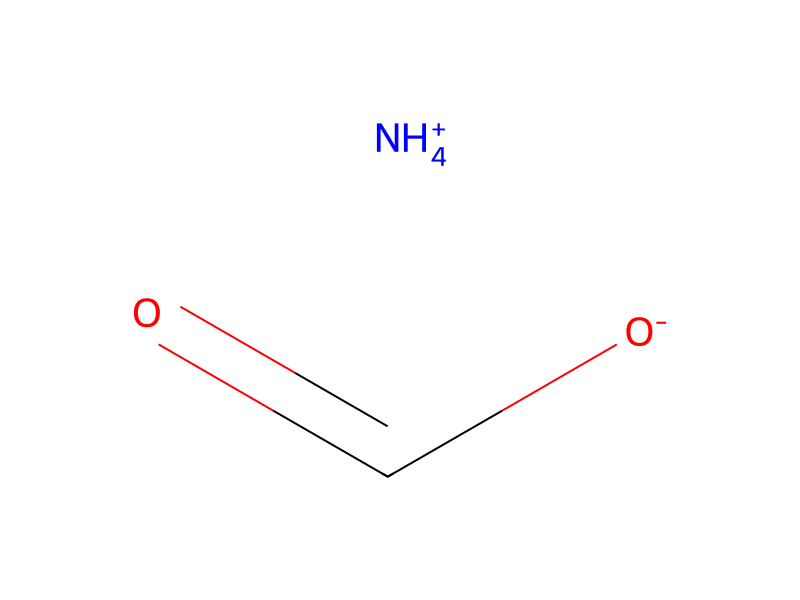
To a solution of (7-chloro-1H-pyrrolo[2,3-c]pyridin-2-yl)(phenyl)methanol (Example 26) (2.10 g, 8.12 mmol) and ammonium formate (3.07 g, 48.7 mmol) in methanol (28 mL) was added 10% Pd/C (0.21 g). The reaction mixture was refluxed for 1.5 h. TLC analysis showed the starting material was consumed. The reaction mixture was filtered through diatomaceous earth. The filtrate was concentrated to dryness. The crude mixture was dissolved in EtOAc and water. The aqueous layer was extracted with EtOAc (2×) and CH2Cl2. The combined organic extracts were dried over Na2SO4. After filtration and concentration, the crude material was purified by Biotage chromatography to provide phenyl(1H-pyrrolo[2,3-c]pyridin-2-yl)methanol (0.79 g, 43%) as an off-white solid: mp 178-180° C.; 1H NMR (300 MHz, CD3OD) δ5.99 (1H, s), 6.35 (1H, s), 7.20-7.49 (6H, m), 7.99 (1H, d, J=5.6 Hz), 8.58 (1H, s); ESI MS m/z 224 [C14H12N2O+H]+; HPLC (Method A) >99% (AUC) tR=14.5 min.