Hydrochloric Acid → 5-phenyl-1H-indole
Reaction equation

[NH:1]1[C:9]2[C:4](=[CH:5][C:6](B(O)O)=[CH:7][CH:8]=2)[CH:3]=[CH:2]1.I[C:14]1[CH:19]=[CH:18][CH:17]=[CH:16][CH:15]=1.C(=O)([O-])[O-].[Na+].[Na+].Cl>O.[Pd].C1(P(C2C=CC=CC=2)C2C=CC=CC=2)C=CC=CC=1.C1(P(C2C=CC=CC=2)C2C=CC=CC=2)C=CC=CC=1.C1(P(C2C=CC=CC=2)C2C=CC=CC=2)C=CC=CC=1.C1(P(C2C=CC=CC=2)C2C=CC=CC=2)C=CC=CC=1.O1CCOCC1>[C:14]1([C:6]2[CH:5]=[C:4]3[C:9](=[CH:8][CH:7]=2)[NH:1][CH:2]=[CH:3]3)[CH:19]=[CH:18][CH:17]=[CH:16][CH:15]=1Participants
8
Reactant 4


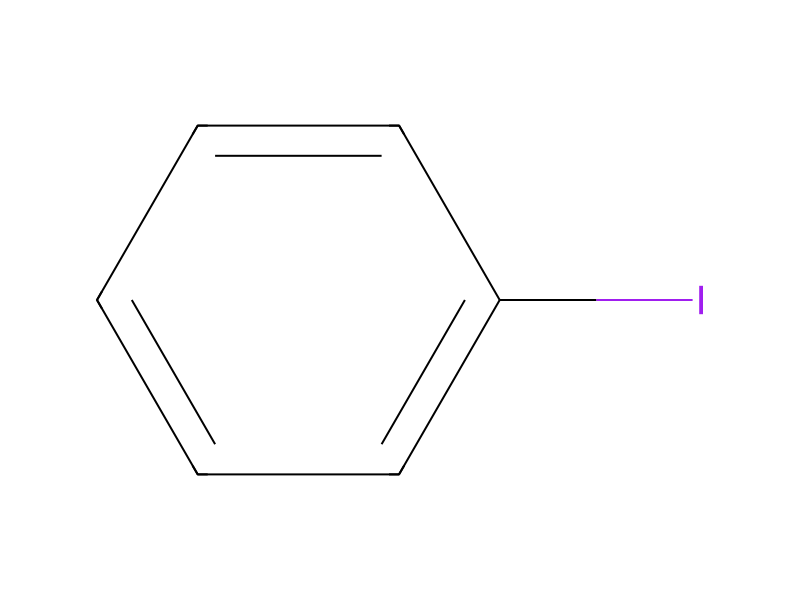
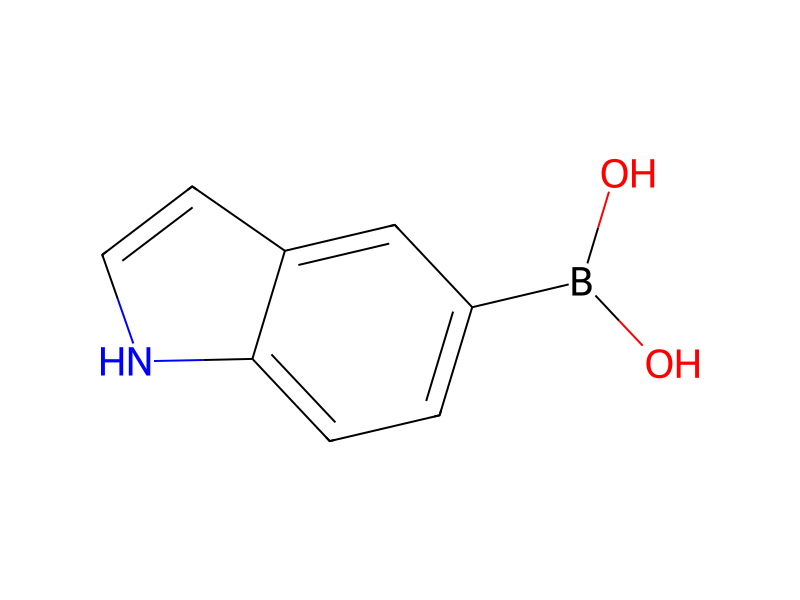
Product 1

Reagents, catalysts & solvents 3


