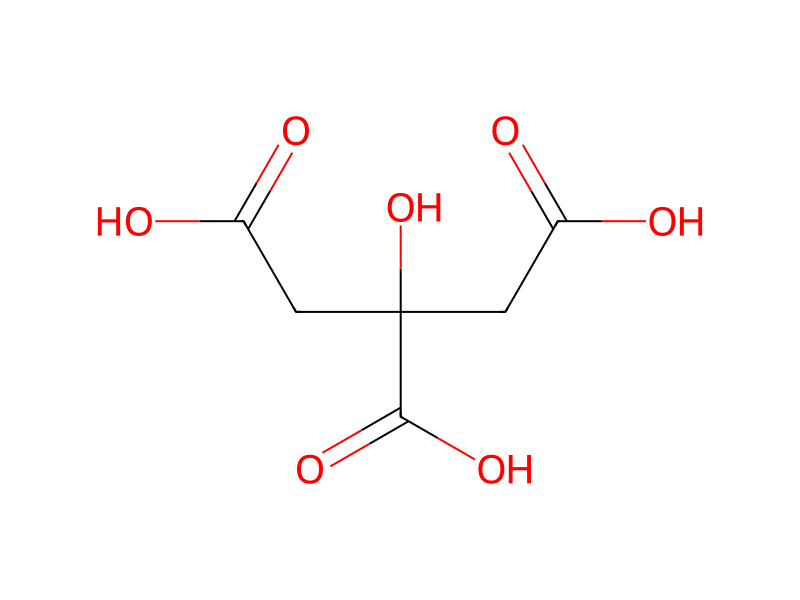
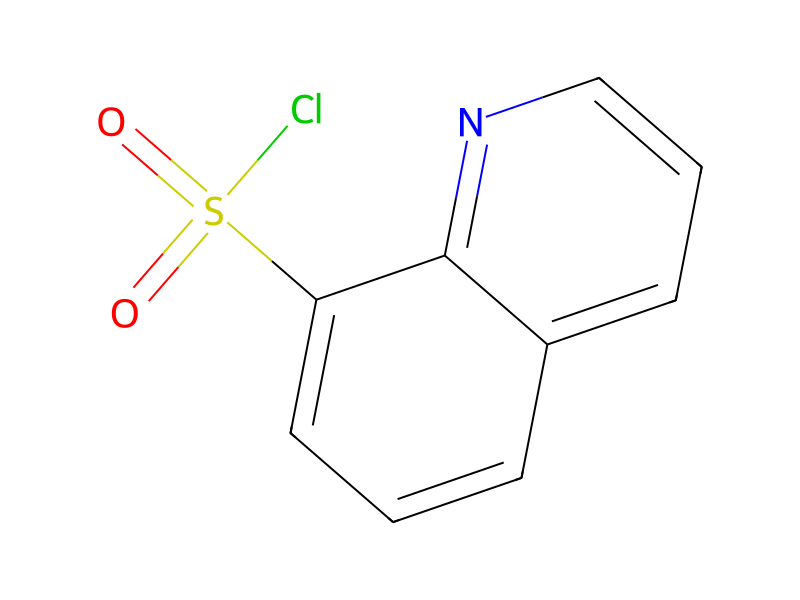
C(OC([N:8]1[CH2:13][CH2:12][NH:11][CH2:10][CH2:9]1)=O)(C)(C)C.C(N(CC)CC)C.[N:21]1[C:30]2[C:25](=[CH:26][CH:27]=[CH:28][C:29]=2[S:31](Cl)(=[O:33])=[O:32])[CH:24]=[CH:23][CH:22]=1.C(O)(=O)CC(CC(O)=O)(C(O)=O)O>ClCCl>[N:21]1[C:30]2[C:25](=[CH:26][CH:27]=[CH:28][C:29]=2[S:31]([N:8]2[CH2:9][CH2:10][NH:11][CH2:12][CH2:13]2)(=[O:33])=[O:32])[CH:24]=[CH:23][CH:22]=11-tert-Butoxycarbonylpiperazine (2.22 g) and triethylamine (2.0 mL) were dissolved in dichloromethane (100 mL), and 8-quinolinesulfonyl chloride (2.71 g) was added thereto. The mixture was stirred at room temperature for 14 hr. 10% citric acid solution was added to the reaction mixture and the mixture was extracted with chloroform. The extract was washed with brine, dried and concentrated under reduced pressure. The residue was dissolved in dichloromethane (20 mL), and trifluoroacetic acid (5 mL) was added thereto. The mixture was stirred at room temperature for 1.5 hr. The reaction mixture was concentrated under reduced pressure, and saturated aqueous sodium hydrogencarbonate solution was added to the residue. The mixture was extracted with chloroform, and the extract was dried and concentrated under reduced pressure to give 1-(8-quinolinesulfonyl)piperazine (0.73 g) as a white solid.
Loading…