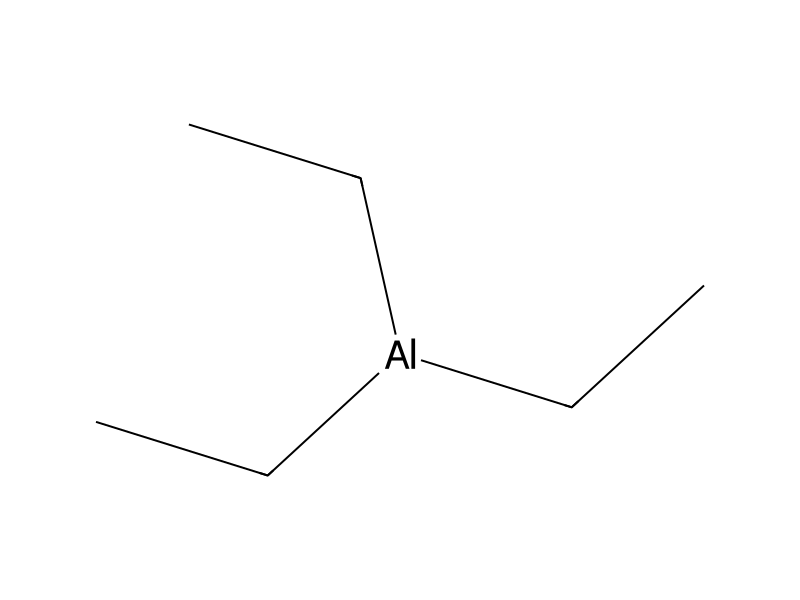
[Br:1][C:2]1[CH:3]=[C:4]([CH:21]=[CH:22][C:23]=1[Cl:24])[C:5]([N:7]([C:9]1[CH:14]=[CH:13][CH:12]=[CH:11][C:10]=1[O:15][CH2:16][CH2:17][CH2:18][C:19]#[N:20])[CH3:8])=[O:6].[N:25]([Sn](CCCC)(CCCC)CCCC)=[N+:26]=[N-:27].C([Al](CC)CC)C.Cl>C1(C)C=CC=CC=1>[Br:1][C:2]1[CH:3]=[C:4]([CH:21]=[CH:22][C:23]=1[Cl:24])[C:5]([N:7]([CH3:8])[C:9]1[CH:14]=[CH:13][CH:12]=[CH:11][C:10]=1[O:15][CH2:16][CH2:17][CH2:18][C:19]1[NH:27][N:26]=[N:25][N:20]=1)=[O:6]A mixture of 3-bromo-4-chloro-N-[2-(3-cyano-propoxy)-phenyl]-N-methyl-benzamide (2.0 g, 4.9 mmol), azidotributyltin (4.03 mL, 14.7 mmol) and triethylaluminum (7.74 mL, 14.7 mmol, 25% in toluene) in toluene (25 mL) was heated at 80° C. for 5 hrs. The mixture was allowed to cool to room temperature and was acidified with 1N HCl. The mixture was extracted with DCM. The organic layer was washed with water and brine, and was dried. The filtrate was concentrated in vacuo and the residue purified by silica gel column chromatography (eluent: 3% MeOH in DCM) to afford 3-bromo-4-chloro-N-methyl-N-{2-[3-(1H-tetrazol-5-yl)-propoxy]-phenyl}-benzamide (1.93 g). MS [M+H]+: 451.9; tR=2.26 min. (method 1)