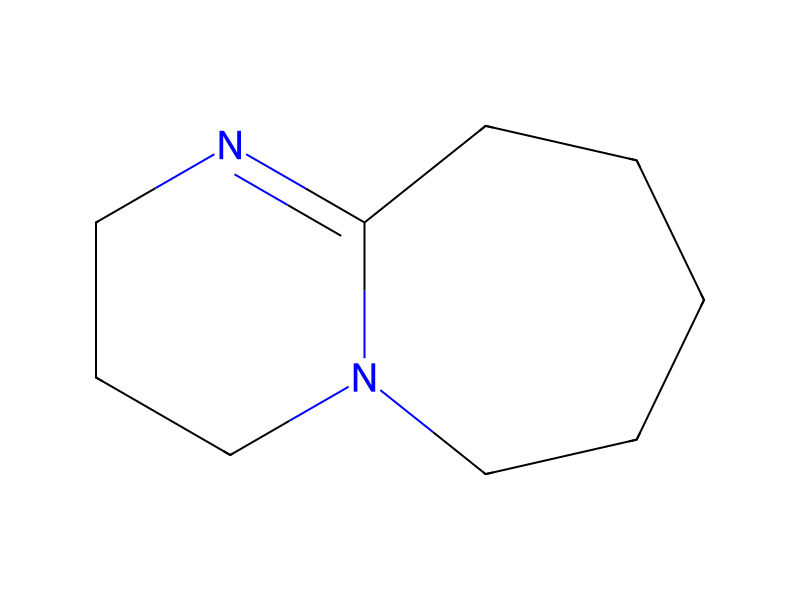
To a solution of 1,5-dichloroisoquinolin-4-ol (0.5 g, 2.33 mmol) in DBU (1.7 ml, 11.68 mmol) was added cyclopropylbromide (0.93 ml, 11.68 mmol) at room temperature. The reaction vessel (Pressure tube) was sealed and heated at 120° C. for 18 h. The reaction mass was diluted with water and extracted with ethyl acetate. The combined organic layer was dried over anhydrous Na2SO4 and evaporated under reduced pressure to get crude compound. The crude compound was purified by silica gel chromatography to get desired compound (0.01 g, 2.1%) as yellow solid. 1H NMR (400 MHz, CDCl3): δ ppm 8.27-8.24 (m, 2H), 7.76-7.74 (d, J=8 Hz, 1H), 7.54 (t, J=8 Hz, 1H), 3.96-3.94 (m, 1H), 0.95-0.90 (m, 4H).