HomeMCPWorkbenchSkills
HomeWorkbenchNotificationsMe
llms.txt · MCP GuidePrivacy Policy · Terms of Service · Supportv1.8.3
  1. Home
  2. /Reaction

Methyl chloroformate → Methyl (4-acetylphenyl)carbamate

HRID 1865558
Print

Reaction equation

HRID 1865558 reaction equation
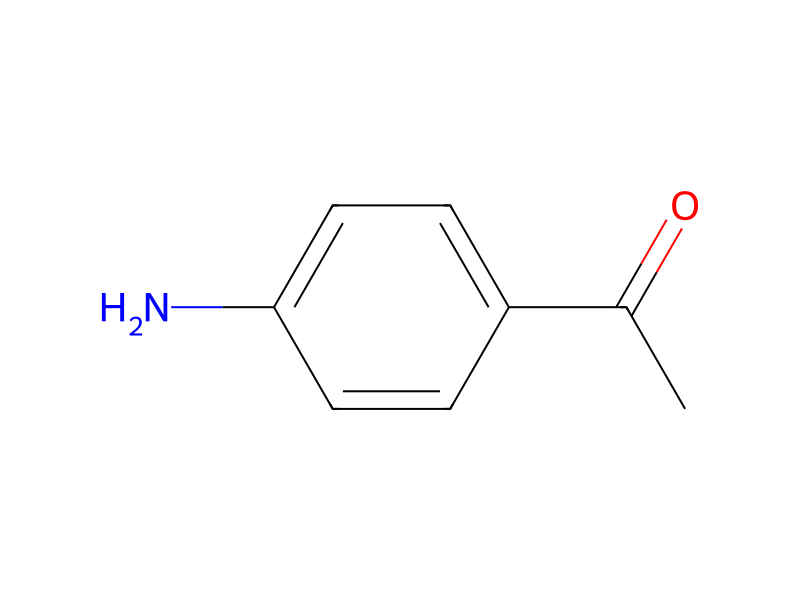
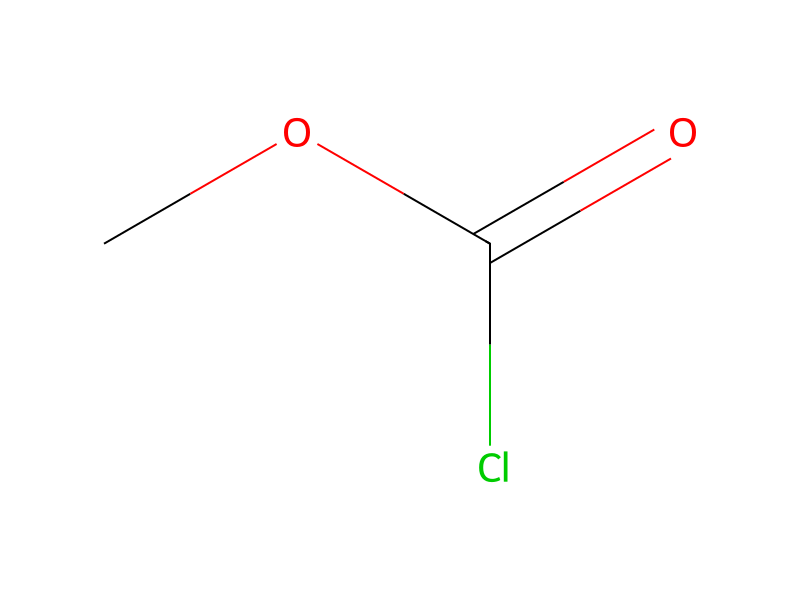
Br[CH2:2][C:3]([C:5]1[CH:10]=[CH:9][C:8]([NH:11][C:12](=[O:15])[O:13][CH3:14])=[CH:7][CH:6]=1)=[O:4].CC(C1C=CC(N)=CC=1)=O.[OH-].[Na+].COC(Cl)=O>CCOC(C)=O.O.O1CCOCC1>[CH3:14][O:13][C:12](=[O:15])[NH:11][C:8]1[CH:9]=[CH:10][C:5]([C:3](=[O:4])[CH3:2])=[CH:6][CH:7]=1
ParticipantsConditionsProcedureWorkupSources & evidenceReaction notes

Participants

8

Reactant 4

HCID 6586Methyl chloroformateHCID 7468p-AminoacetophenoneHCID 14798Sodium Hydroxide2×HCID 57976391Methyl 4-(2-bromoacetyl)phenylcarbamate

Product 1

HCID 301079Methyl (4-acetylphenyl)carbamateYield 53%

Reagents, catalysts & solvents 3

HCID 962
Water
Solvent
HCID 8857Ethyl AcetateSolvent
HCID 312751,4-DioxaneSolvent

Conditions

Temperature
0 °C

Procedure

methyl 4-(2-bromoacetyl)phenylcarbamate: 4-Aminoacetophenone was suspended in a 1:1 mixture of dioxane and water (150 mL), and NaOH (4.4 g, 0.11 mol) was added. The mixture was stirred until the NaOH dissolved, then cooled to 0° C. prior to dropwise addition of methylchloroformate (8.5 mL, 0.11 mol). The resulting mixture was stirred at 0° C. for an additional 10 min then at rt for 2 h, followed by standing overnight. The solvent was removed by evaporation and the residual solids were partitioned between EtOAc and water. The layers were separated and the aqueous was reextracted 2× with EtOAc. The combined organic extracts were dried over MgSO4, filtered and evaporated to yield a tan powder. The crude product was suspended in EtOAc, washed 3× with 1N HCl to remove unreacted aniline, then washed with brine, dried over MgSO4, filtered and evaporated to provide methyl-4-acetylphenylcarbamate as an orange/tan solid (11.2 g, 53%). A portion of this material (3 g, 15.53 mmol) was suspended in CHCl3 (60 mL) and bromine (0.960 mL, 18.63 mmol) was added in small portions. About halfway through the addition, most of the starting material had dissolved in the dark orange reaction mixture. At this point, the mixture quickly decolorized with the formation of a tan precipitate. The remaining bromine was added over ˜5 min, then the mixture was stirred at rt. After ˜30 min, the solid product was collected by filtration and washed with CHCl3 and air-dried overnight to provide the bromoketone (3.25 g, 77%) which was used without further purification. 1HNMR (500 MHz, DMSO-d6) δ: 10.14 (1H, s), 7.95 (2H, d, J=8.8 Hz), 7.59 (2H, d, J=8.8 Hz), 4.83 (2H, s), 3.57-3.83 (3H, m).

Workup

  1. additionwas added
  2. dissolutiondissolved
  3. waitat rt for 2 h
  4. waitby standing overnight
  5. customThe solvent was removed by evaporation
  6. customthe residual solids were partitioned between EtOAc and water
  7. customThe layers were separated
  8. dry with materialThe combined organic extracts were dried over MgSO4
  9. filtrationfiltered
  10. customevaporated
  11. customto yield a tan powder
  12. washwashed 3× with 1N HCl
  13. customto remove unreacted aniline
  14. washwashed with brine
  15. dry with materialdried over MgSO4
  16. filtrationfiltered
  17. customevaporated

Sources & evidence

ORD record
ord-d35c4e0b95494f1ba74284337162bbd8
Source dataset
uspto-grants-2009_12
DOI
10.6084/m9.figshare.5104873.v1
Patent number
US07626039B2

Reaction notes

On this pageParticipantsConditionsProcedureWorkupSources & evidenceReaction notes