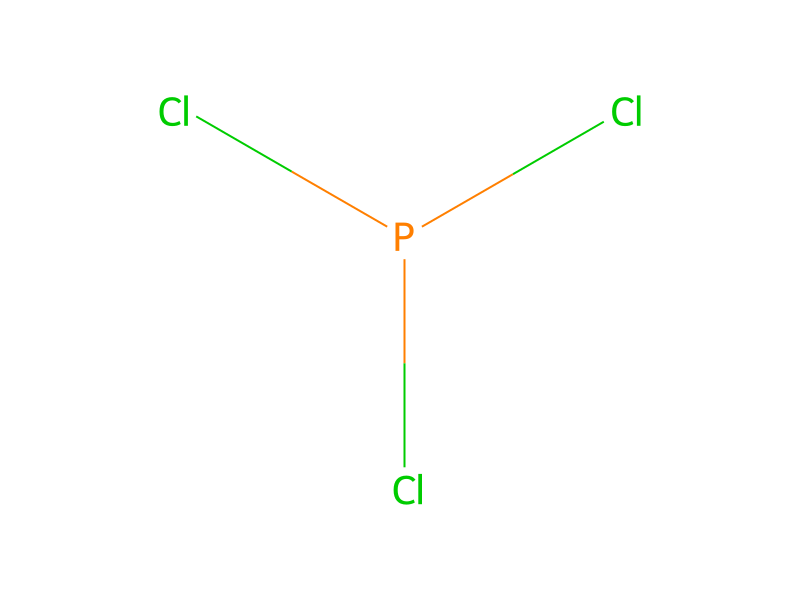
P(Cl)(Cl)Cl.[Cl:5][C:6]1[CH:7]=[C:8]([C:13]2[N+:14]([O-])=[CH:15][CH:16]=[C:17]([Cl:19])[CH:18]=2)[N+:9]([O-])=[CH:10][CH:11]=1.[OH-].[Na+]>C(Cl)(Cl)Cl>[Cl:19][C:17]1[CH:16]=[CH:15][N:14]=[C:13]([C:8]2[CH:7]=[C:6]([Cl:5])[CH:11]=[CH:10][N:9]=2)[CH:18]=12 mL of chloroform, 0.326 mL of phosphorus trichloride and 0.082 g of 4,4′-dichloro-2,2′-bipyridyl-N,N′-dioxide were added to a 100 mL round bottom flask equipped with a condenser, and the mixture was refluxed in a hot water bath for 75 hours. The reaction solution was cooled with ice, poured into crushed ice and neutralized with 25% NaOH to pH 7 or higher. Chloroform was removed from the solution by distilling off under reduced pressure. The precipitated white powder was collected by filtration and washed with water. The powder was dissolved in a small amount of petroleum ether and recrystallized in a refrigerator overnight to give white needle crystal. The crystal was dried by heating to 60° C. under reduced pressure to give 4,4′-dichloro-2,2′-bipyridine.