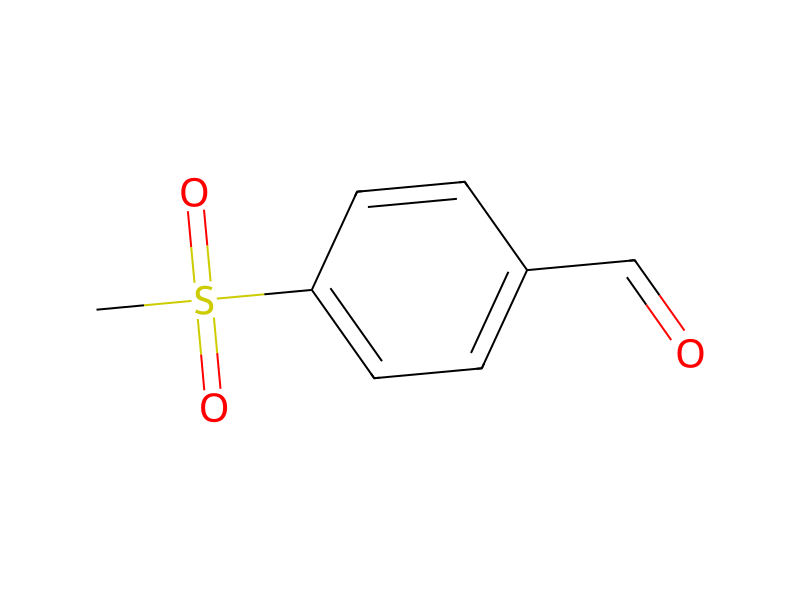
Hydrochloric Acid → (E)-1-(4-methanesulfonyl-benzylidene)-3,4-dihydro-1H-naphthalene-2-one
HRID 1885038
Reaction equation

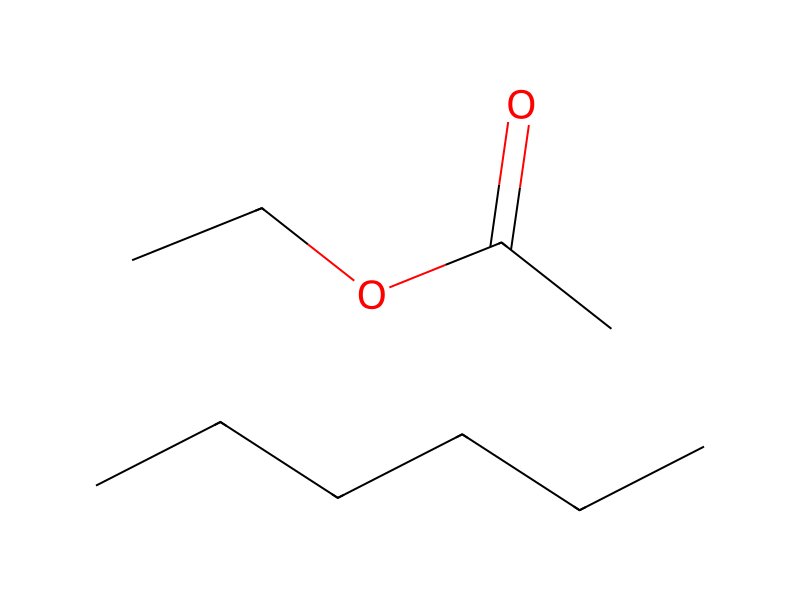
[CH3:1][S:2]([C:5]1[CH:12]=[CH:11][C:8]([CH:9]=O)=[CH:7][CH:6]=1)(=[O:4])=[O:3].Cl.[CH2:14]1[C:23](=[O:24])[CH2:22][C:21]2[C:16](=[CH:17][CH:18]=[CH:19][CH:20]=2)[CH2:15]1.O>C(O)(=O)C.C(OC(=O)C)C.CCCCCC.ClCCl>[CH3:1][S:2]([C:5]1[CH:12]=[CH:11][C:8](/[CH:9]=[C:22]2/[C:23](=[O:24])[CH2:14][CH2:15][C:16]3[C:21]/2=[CH:20][CH:19]=[CH:18][CH:17]=3)=[CH:7][CH:6]=1)(=[O:4])=[O:3]Participants
8
Reactant 4



Product 1

Reagents, catalysts & solvents 3