HomeMCPWorkbenchSkills
HomeWorkbenchNotificationsMe
llms.txt · MCP GuidePrivacy Policy · Terms of Service · Supportv1.8.3
  1. Home
  2. /Reaction

Ammonia → 2-bromo-N-(2,6-dimethyl-4-trifluoromethyl-3-pyridyl)acetamide

HRID 1896061
Print

Reaction equation

HRID 1896061 reaction equation
Cl.Cl.[NH2:3][C:4]1[C:5]([CH3:15])=[N:6][C:7]([CH3:14])=[CH:8][C:9]=1[C:10]([F:13])([F:12])[F:11].N.CN(C)C1C=CC=CC=1.[Br:26][CH2:27][C:28](Br)=[O:29]>CO.ClCCl>[Br:26][CH2:27][C:28]([NH:3][C:4]1[C:5]([CH3:15])=[N:6][C:7]([CH3:14])=[CH:8][C:9]=1[C:10]([F:13])([F:11])[F:12])=[O:29]
ParticipantsProcedureWorkupSources & evidenceReaction notes

Participants

7

Reactant 4

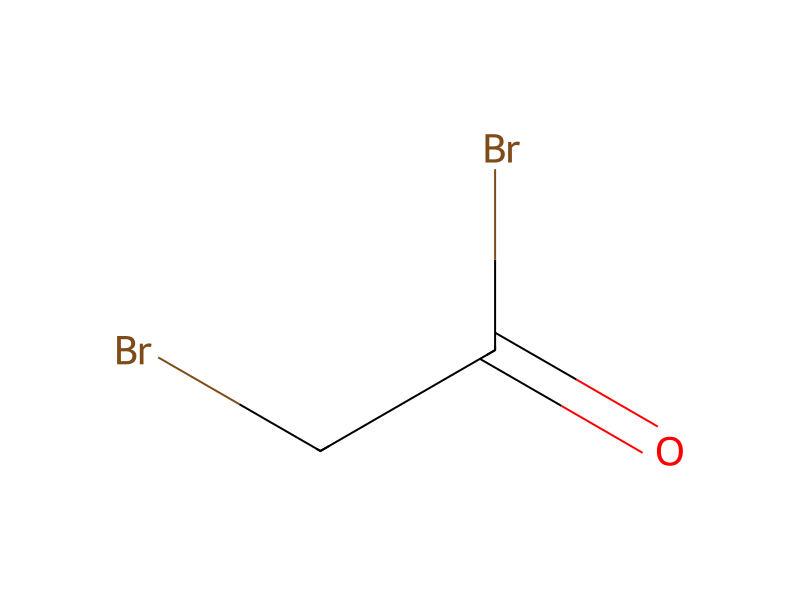
HCID 222AmmoniaHCID 949N,N-DimethylanilineHCID 61147Bromoacetyl bromideHCID 23092424HCID 23092424, compound

Product 1

HCID 230924372-bromo-N-(2,6-dimethyl-4-trifluoromethyl-3-pyridyl)acetamideYield 96%

Reagents, catalysts & solvents 2

HCID 887
Methanol
Solvent
HCID 6344DichloromethaneSolvent

Procedure

3-Amino-2,6-dimethyl-4-trifluoromethylpyridine dihydrochloride (15.60 g, 59.30 mmol) was dissolved in methanol (100 mL). In an ice bath, an ammonia-saturated methanol solution (300 mL) was added, and the mixture was rendered uniform. The reaction mixture was extracted from chloroform-water. The organic layer was washed with brine, dried over anhydrous sodium sulfate, and concentrated under reduced pressure. The residue was dissolved in dichloromethane (200 mL), and subsequent to the addition of N,N-dimethylaniline (10.80 g, 89.12 mmol), a solution of bromoacetyl bromide (15.52 g, 76.90 mmol) in dichloromethane (40 mL) was added dropwise while stirring the mixture in an ice bath. The mixture was stirred at room temperature for two hours, and concentrated under reduced pressure. The residue was purified by column chromatography on silica gel (silica gel: 400 g; developer: hexane:acetone=10:1→4:1→3:1). Recrystallization from ethyl acetate and hexane afforded the title compound (17.68 g, 96%) as colorless needles.

Workup

  1. extractionThe reaction mixture was extracted from chloroform-water
  2. washThe organic layer was washed with brine
  3. dry with materialdried over anhydrous sodium sulfate
  4. concentrationconcentrated under reduced pressure
  5. dissolutionThe residue was dissolved in dichloromethane (200 mL)
  6. stirringThe mixture was stirred at room temperature for two hours
  7. concentrationconcentrated under reduced pressure
  8. customThe residue was purified by column chromatography on silica gel (silica gel: 400 g; developer: hexane:acetone=10:1→4:1→3:1)
  9. customRecrystallization from ethyl acetate and hexane

Sources & evidence

ORD record
ord-17ea2242d6af4ffd977c8c82d44c0ff7
Source dataset
uspto-grants-2013_08
DOI
10.6084/m9.figshare.5104873.v1
Patent number
US08518936B2

Reaction notes

On this pageParticipantsProcedureWorkupSources & evidenceReaction notes