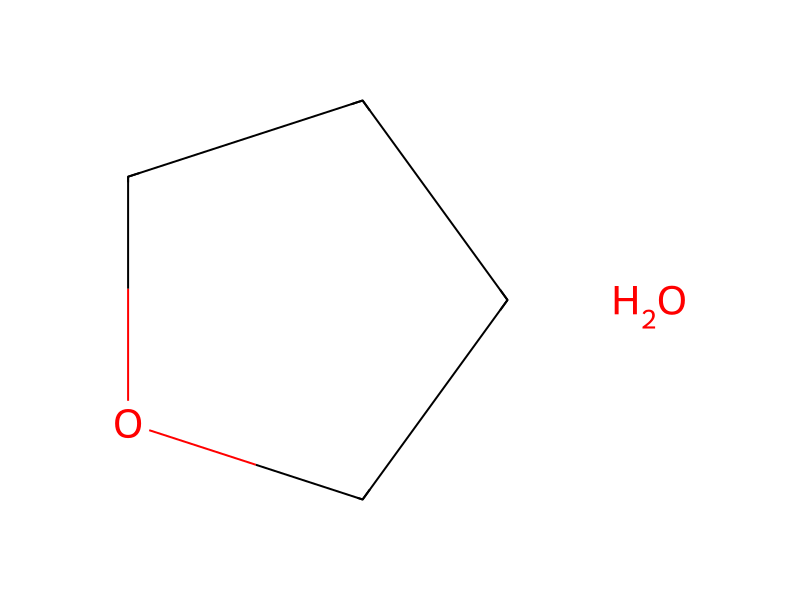
CC1C=CC(S([N:11]2[CH:15]=[C:14]([CH:16]=O)[CH:13]=[N:12]2)(=O)=[O:9])=CC=1.[NH2:18][C:19]1[CH:24]=[CH:23][CH:22]=[CH:21][C:20]=1[CH2:25][C:26]([OH:28])=O.C(O)(=O)C.C(O[BH-](OC(=O)C)OC(=O)C)(=O)C.[Na+]>C1COCC1.O.O>[OH2:9].[NH:11]1[CH:15]=[C:14]([CH2:16][N:18]2[C:19]3[C:20](=[CH:21][CH:22]=[CH:23][CH:24]=3)[CH2:25][C:26]2=[O:28])[CH:13]=[N:12]1In a 100 ml, three-necked flask fitted with a magnetic stirrer, 1-[(4-methylphenyl)sulfonyl]-1H-pyrazole-4-carbaldehyde x58 (1.65 g, 6.6 mmol) is dissolved in a 1/1 mixture of THF/H2O (50 ml) and the solution containing (2-aminophenyl)acetic acid x96 (1 g, 66 mmol) is added. The pH is adjusted to 5 with acetic acid and the mixture is cooled to 0° C. Sodium triacetoxyborohydride (2.10 g, 10 mmol) is added and the mixture is stirred overnight at room temperature. Water is added and the aqueous phase is extracted three times with CH2Cl2. The combined organic phases are washed with brine, dried over MgSO4 and evaporated. Purification of the residue by preparative chromatography on silicagel and recrystallization from AcOEt affords 106 mg of pure 1-(1H-pyrazol-4-ylmethyl)-1,3-dihydro-2H-indol-2-one hydrate 173.