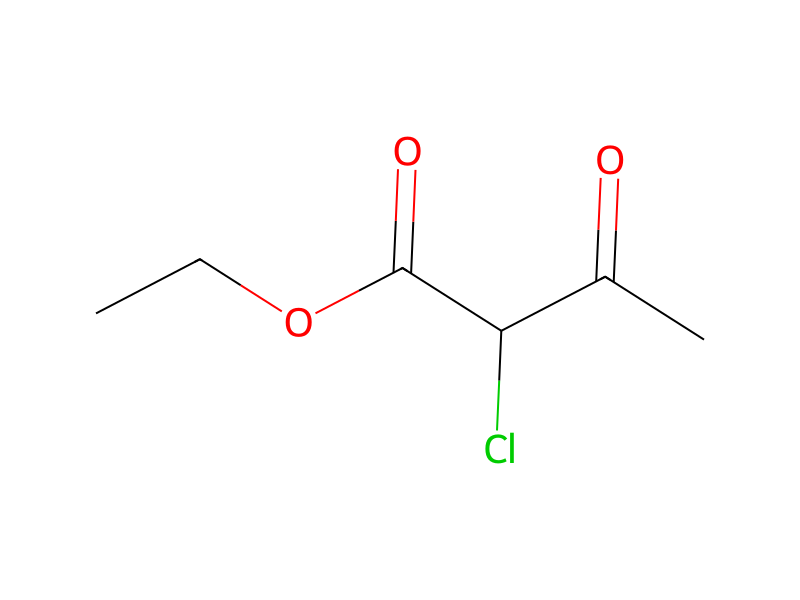
Ethyl 2-chloroacetoacetate → HCID 12813041, compound
Reaction equation

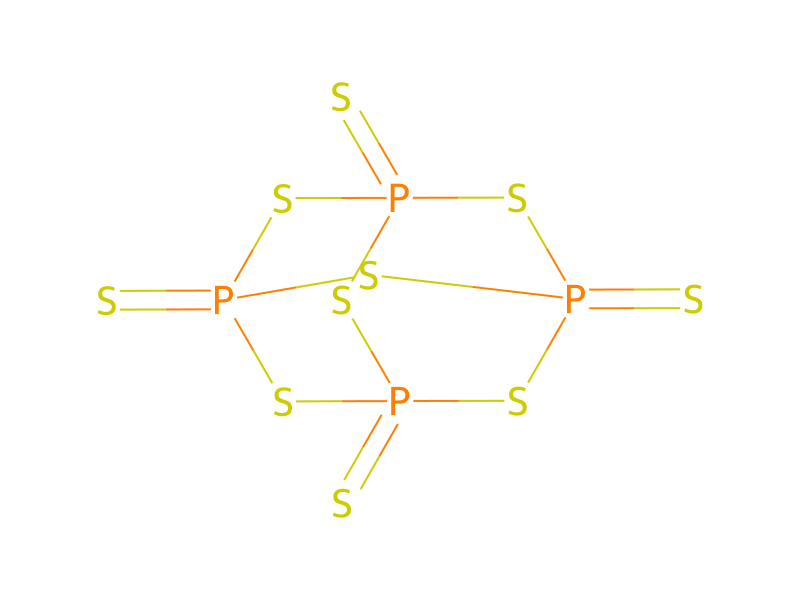
[CH3:1][O:2][C:3]1[CH:4]=[C:5]([CH:9]=[C:10]([O:14][CH3:15])[C:11]=1[O:12][CH3:13])[C:6]([NH2:8])=O.P12(SP3(SP(SP(S3)(S1)=S)(=S)S2)=S)=[S:17].[CH2:30]([O:32][C:33](=[O:39])[CH:34](Cl)[C:35]([CH3:37])=O)[CH3:31]>C(Cl)(Cl)Cl>[CH2:30]([O:32][C:33]([C:34]1[S:17][C:6]([C:5]2[CH:4]=[C:3]([O:2][CH3:1])[C:11]([O:12][CH3:13])=[C:10]([O:14][CH3:15])[CH:9]=2)=[N:8][C:35]=1[CH3:37])=[O:39])[CH3:31]Participants
5
Reactant 3

Product 1

Reagents, catalysts & solvents 1

Procedure
In a round bottom flask, 21.1 g (0.1 mol) of 3,4,5-trimethoxybenzamide, 4.4 g (0.02 mol) of diphosphorus pentasulfide and 250 ml of chloroform were introduced and after attaching a reflux condenser to the flask, the content was heated for 2 hours while refluxing. Then, 19.8 g (0.12 mol) of alphachloroacetoacetic ethyl ester was added to the content of the flask, and the mixture was heated for 5 hours while refluxing. After filtering the reaction mixture while hot and condensing the filtrate to dryness, activated carbon was added to the residue and the mixture was recrystallized from ethanol. The product consisting of needle-like crystals light cream in colour amounting to 28.2 g was thus obtained at a yield of 84%. The crystals melted at 118° to 119° C.