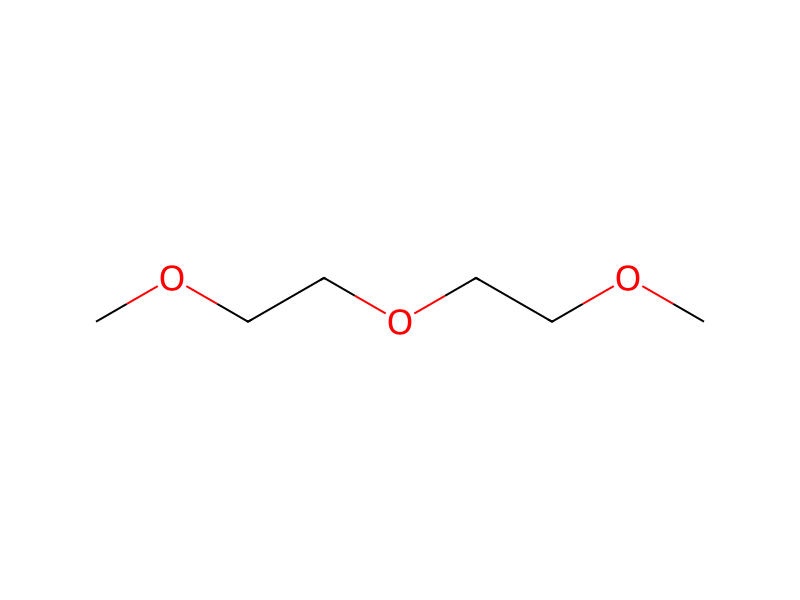
[CH3:1][C:2]1[CH:7]=[C:6](OS(C(F)(F)F)(=O)=O)[CH:5]=[C:4]([CH3:16])[N:3]=1.[N+:17]([C:20]1[CH:25]=[CH:24][C:23]([N:26]2[CH2:31][CH2:30][NH:29][CH2:28][CH2:27]2)=[CH:22][CH:21]=1)([O-:19])=[O:18]>COCCOCCOC.C(Cl)(Cl)Cl>[CH3:1][C:2]1[CH:7]=[C:6]([N:29]2[CH2:30][CH2:31][N:26]([C:23]3[CH:22]=[CH:21][C:20]([N+:17]([O-:19])=[O:18])=[CH:25][CH:24]=3)[CH2:27][CH2:28]2)[CH:5]=[C:4]([CH3:16])[N:3]=1To a solution of trifluoro-methanesulfonic acid 2,6-dimethyl-pyridin-4-yl ester (0.50 g, 1.96 mmol) in diglyme (50 mL) was added 4-nitrophenyl piperazine (0.37 g, 0.76 mmol) and heated in the microwave at 165° C. for 40 minutes. The mixture was diluted with chloroform (100 mL) and washed with water (5×50 mL). The organic layer was separated, washed with brine solution (5×40 mL), dried over sodium sulfate and filtered. The solvent was evaporated, and the crude material was purified by column chromatography over silica gel (60-120 mesh) using 12% methanol in chloroform as eluent to afford 4-[4-(2,6-dimethyl-pyridin-4-yl)-1-(4-nitrophenyl)-piperazine (0.30 g, 49%) as a yellow solid.
Loading…