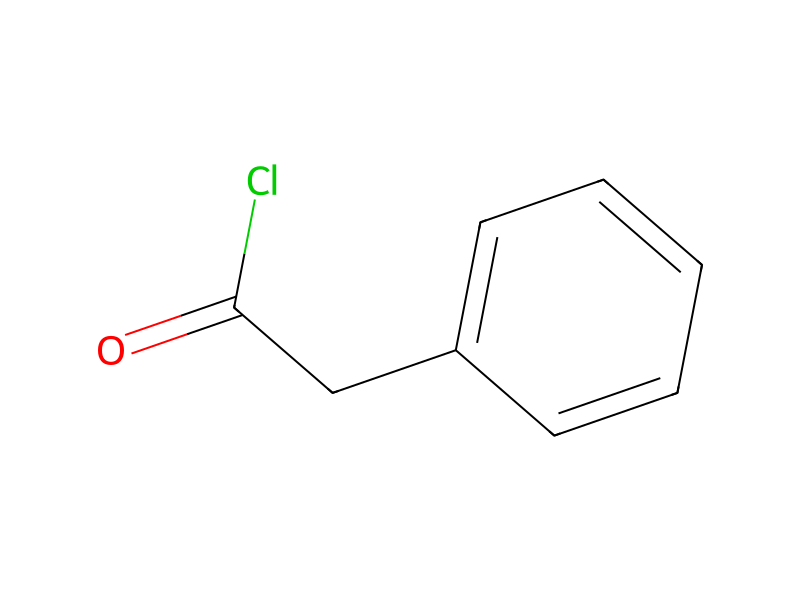
[NH2:1][C:2]1[N:7]2[N:8]=[C:9]([CH3:11])[CH:10]=[C:6]2[N:5]=[CH:4][C:3]=1[C:12]([O:14][CH3:15])=[O:13].CCN(CC)CC.[C:23]1([CH2:29][C:30](Cl)=[O:31])[CH:28]=[CH:27][CH:26]=[CH:25][CH:24]=1>C(Cl)Cl>[CH3:15][O:14][C:12]([C:3]1[CH:4]=[N:5][C:6]2[N:7]([N:8]=[C:9]([CH3:11])[CH:10]=2)[C:2]=1[NH:1][C:30](=[O:31])[CH2:29][C:23]1[CH:28]=[CH:27][CH:26]=[CH:25][CH:24]=1)=[O:13]A 250 mL round-bottomed flask containing methyl 7-amino-2-methylpyrazolo[1,5-a]pyrimidine-6-carboxylate (1.10 g, 5.0 mmol, 1 eq.), CH2Cl2 (40 mL), and Et3N (2.04 g, 20 mmol, 4 eq.) was added slowly phenylacetyl chloride (6.16 g, 40 mmol, 8 eq.). Then the mixture was heated at 80° C. for 4 h. The mixture was allowed to cool and the solvent was removed in vacuo. The residue was dissolved in CH2Cl2 (40 mL) and water (25 mL). The aqueous phase was extracted with CH2Cl2 (2×15 mL). The combined organic solution was dried over Na2SO4. After filtration and concentration, the residue was purified by silica gel chromatography using MeOH and CH2Cl2 as the mobile phases to furnish Compound (20-1) as a yellowish solid.
Loading…