HomeMCPWorkbenchSkills
HomeWorkbenchNotificationsMe
llms.txt · MCP GuidePrivacy Policy · Terms of Service · Supportv1.8.3
  1. Home
  2. /Reaction

N,N'-Dimethylethylenediamine → 2-Bromo-6-(1-oxo-3,4,5,6,7,8-hexahydrobenzothieno[2,3-c]pyridin-2(1H)-yl)benzyl Acetate

HRID 1918800
Print

Reaction equation

HRID 1918800 reaction equation
[C:1]1(=[O:14])[C:6]2[S:7][C:8]3[CH2:13][CH2:12][CH2:11][CH2:10][C:9]=3[C:5]=2[CH2:4][CH2:3][NH:2]1.[C:15]([O:18][CH2:19][C:20]1[C:25]([Br:26])=[CH:24][CH:23]=[CH:22][C:21]=1Br)(=[O:17])[CH3:16].C(=O)([O-])[O-].[Cs+].[Cs+].CNCCNC>[Cu](I)I.O1CCOCC1>[C:15]([O:18][CH2:19][C:20]1[C:21]([N:2]2[CH2:3][CH2:4][C:5]3[C:9]4[CH2:10][CH2:11][CH2:12][CH2:13][C:8]=4[S:7][C:6]=3[C:1]2=[O:14])=[CH:22][CH:23]=[CH:24][C:25]=1[Br:26])(=[O:17])[CH3:16]
ParticipantsConditionsProcedureWorkupSources & evidenceReaction notes

Participants

7

Reactant 4

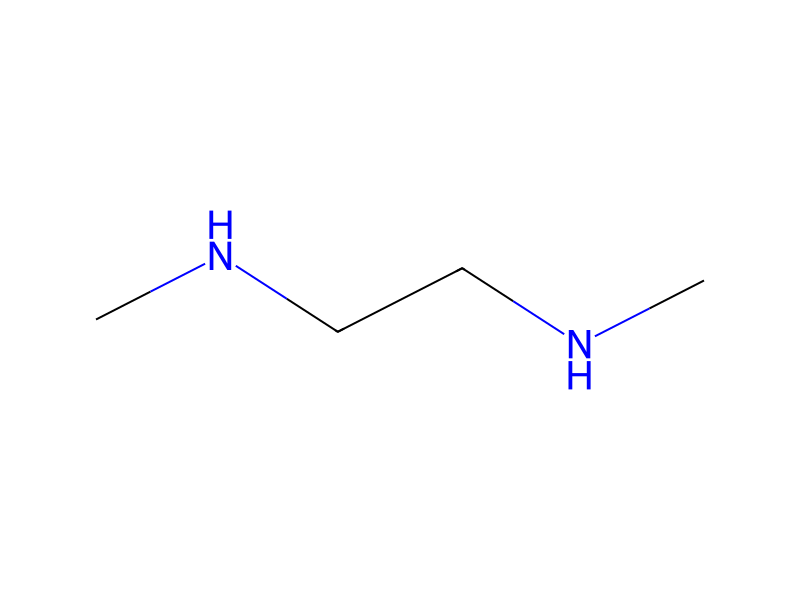
HCID 8070N,N'-DimethylethylenediamineHCID 10796Cesium carbonateHCID 208997543,4,5,6,7,8-Hexahydrobenzo[4,5]thieno[2,3-c]pyridin-1(2H)-oneHCID 592164132,6-Dibromobenzyl acetate

Product 1

HCID 670161532-Bromo-6-(1-oxo-3,4,5,6,7,8-hexahydrobenzothieno[2,3-c]pyridin-2(1H)-yl)benzyl AcetateYield 30.5%

Reagents, catalysts & solvents 2

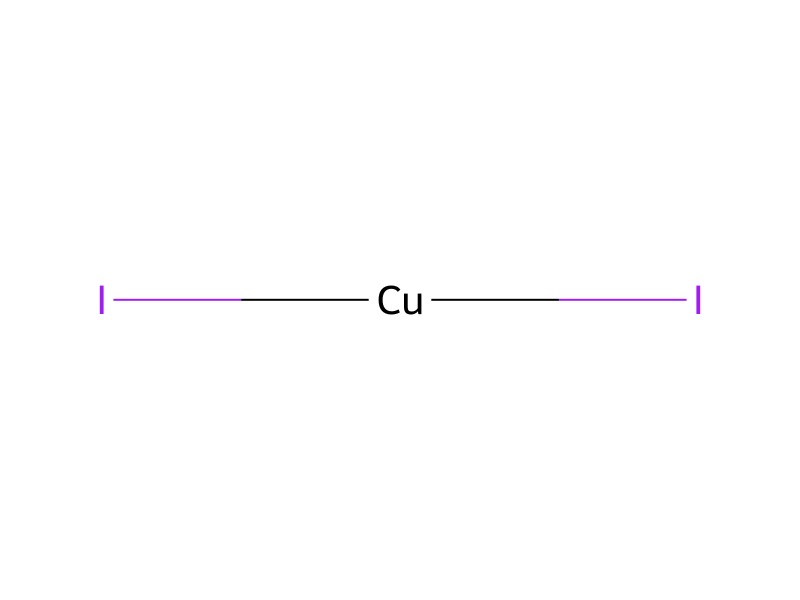
HCID 83717Copper iodideCatalystHCID 312751,4-DioxaneSolvent

Conditions

Temperature
100 °C

Procedure

A 100-mL three-neck round-bottomed flask equipped with a reflux condenser, magnetic stirrer and nitrogen inlet was charged with 104e (214 mg, 1.04 mmol), 2,6-dibromobenzyl acetate 104g (519 mg, 2.08 mmol), cesium carbonate (678 mg, 2.08 mmol), N,N′-dimethylethylenediamine (92 mg, 1.04 mmol) and 1,4-dioxane (10 mL). After bubbling nitrogen through the resulting suspension for 30 min, copper iodide (99 mg, 0.520 mmol) was added, and the reaction mixture was heated at 100° C. (oil bath temperature) for 16 h. After this time, the mixture was cooled to room temperature and filtered. The filtrate was diluted with ethyl acetate (100 mL) and water (50 mL). The organic layer was separated, and the aqueous layer was extracted with ethyl acetate (3×50 mL). The combined organic layers were dried over sodium sulfate and concentrated under reduced pressure. The residue was purified by column chromatography to afford a 30% yield (138 mg) of 2-Bromo-6-(1-oxo-3,4,5,6,7,8-hexahydrobenzothieno[2,3-c]pyridin-2(1H)-yl)benzyl acetate 104f as a yellow oil: 1H NMR (500 MHz, CDCl3) d 7.59 (dd, 1H, J=7.0, 1.5 Hz), 7.30-7.24 (m, 2H), 5.23 (m, 2H), 4.06 (m, 1H), 3.77 (m, 1H), 2.98 (m, 1H), 2.83-2.77 (m, 3H), 2.50 (m, 2H), 2.04 (s, 3H), 1.85 (m, 4H)

Workup

  1. customA 100-mL three-neck round-bottomed flask equipped with a reflux condenser, magnetic stirrer and nitrogen inlet
  2. customAfter bubbling nitrogen through the resulting suspension for 30 min
  3. temperatureAfter this time, the mixture was cooled to room temperature
  4. filtrationfiltered
  5. additionThe filtrate was diluted with ethyl acetate (100 mL) and water (50 mL)
  6. customThe organic layer was separated
  7. extractionthe aqueous layer was extracted with ethyl acetate (3×50 mL)
  8. dry with materialThe combined organic layers were dried over sodium sulfate
  9. concentrationconcentrated under reduced pressure
  10. customThe residue was purified by column chromatography

Sources & evidence

ORD record
ord-ba4e521197944751b9436ee86f546b3e
Source dataset
uspto-grants-2013_12
DOI
10.6084/m9.figshare.5104873.v1
Patent number
US08618107B2

Reaction notes

On this pageParticipantsConditionsProcedureWorkupSources & evidenceReaction notes