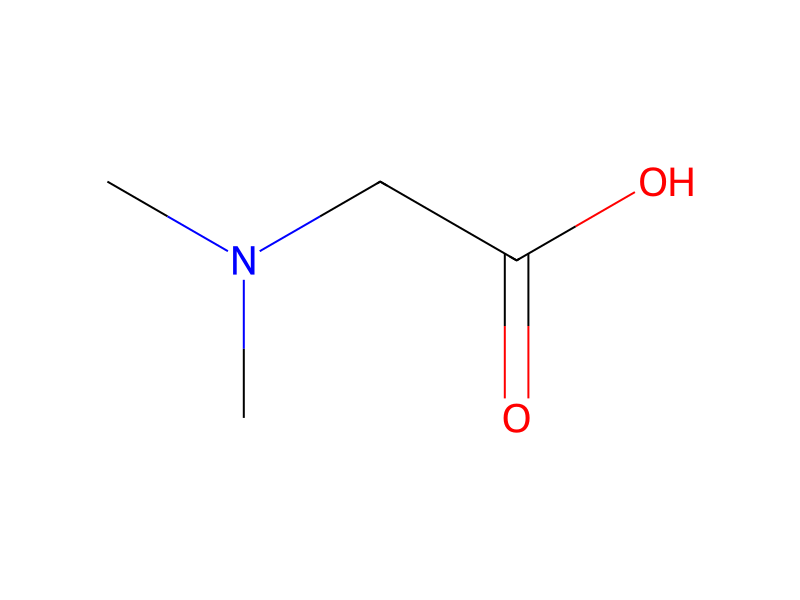
[OH:1][C:2]1[CH:3]=[C:4]2[C:8](=[CH:9][CH:10]=1)[CH2:7][C@H:6]([NH:11][S:12]([CH:15]([CH3:17])[CH3:16])(=[O:14])=[O:13])[CH2:5]2.Br[C:19]1[CH:24]=[CH:23][C:22]([F:25])=[CH:21][N:20]=1.C(=O)([O-])[O-].[Cs+].[Cs+].CN(C)CC(O)=O>CS(C)=O.[Cu]I>[F:25][C:22]1[CH:23]=[CH:24][C:19]([O:1][C:2]2[CH:3]=[C:4]3[C:8](=[CH:9][CH:10]=2)[CH2:7][C@H:6]([NH:11][S:12]([CH:15]([CH3:17])[CH3:16])(=[O:14])=[O:13])[CH2:5]3)=[N:20][CH:21]=1A reaction mixture of N-[(2S)-5-hydroxy-2,3-dihydro-1H-inden-2-yl]-2-propanesulfonamide (100 mg, 0.39 mmol, Description 3), 2-bromo-5-fluoropyridine (69 mg, 0.39 mmol), caesium carbonate (382 mg, 1.17 mmol), copper(I) iodide (82 mg, 0.43 mmol) and N,N-dimethylglycine (49 mg, 0.47 mmol) in DMSO (1.5 ml) was heated in a microwave at 190° C. for 30 minutes. The resulting mixture was then partitioned between dichloromethane and water and the organic solution was dried (MgSO4) and evaporated under reduced pressure to yield the crude product. The crude product was purified using MDAP. The resulting solution was diluted with saturated aqueous sodium bicarbonate solution and extracted with dichloromethane. The organic solution was dried (MgSO4) and evaporated under reduced pressure to obtain the title compound as a pale yellow solid (40 mg).