Glutaraldehyde → 9-Benzyl-9-azabicyclo[3.3.1]nonan-3-one
Reaction equation

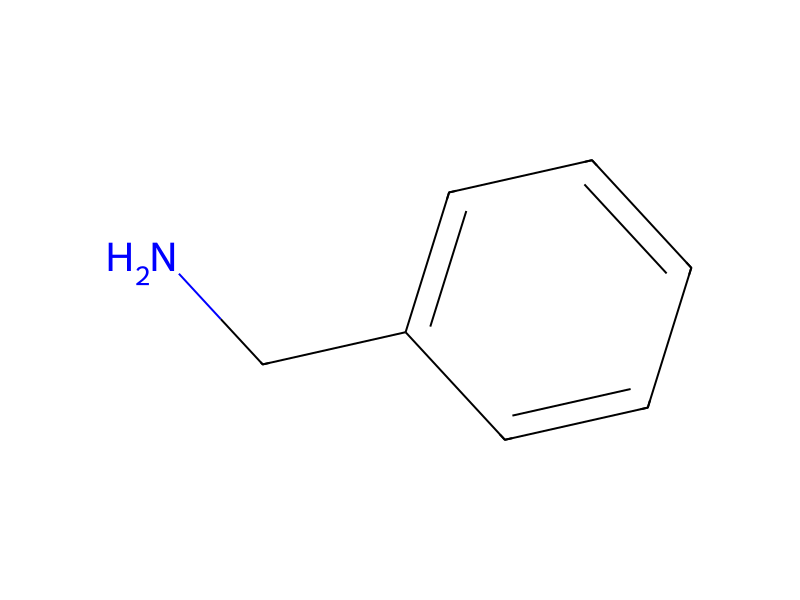
[CH:1](=O)[CH2:2][CH2:3][CH2:4][CH:5]=[O:6].[CH2:8]([C:15](O)=O)[C:9](CC(O)=O)=O.[CH2:18]([NH2:25])[C:19]1[CH:24]=[CH:23][CH:22]=[CH:21][CH:20]=1>Cl>[CH2:18]([N:25]1[CH:3]2[CH2:2][CH2:1][CH2:15][CH:8]1[CH2:9][C:5](=[O:6])[CH2:4]2)[C:19]1[CH:24]=[CH:23][CH:22]=[CH:21][CH:20]=1Participants
Reactant 3


Product 1

Reagents, catalysts & solvents 1

Procedure
To a 1 L round-bottomed flask equipped with a condenser and nitrogen inlet were added 80 g (0.2 mol) of a 25% aqueous solution of glutaraldehyde, 29.2 g (0.2 mol) 1,3-acetonedicarboxylic acid, and 11.4 g (0.2 mol) benzylamine. After the initial reaction had subsided, the pH was adjusted to 5 and maintained for 14 hours. The reaction was then taken up in 6N HCl, washed with ethyl acetate, and basified with 6N sodium hydroxide solution. The aqueous layer was extracted with methylene chloride, and the organic layer filtered through diatomaceous earth (Celite [trademark]) and evaporated. The residue was chromatographed on silica gel with ethyl acetate/methylene chloride as eluent to afford 15.034 g (33%) of a pale orange solid, mp 70-73C.
Workup
- customTo a 1 L round-bottomed flask equipped with a condenser and nitrogen inlet
- customAfter the initial reaction
- temperaturemaintained for 14 hours
- washwashed with ethyl acetate
- extractionThe aqueous layer was extracted with methylene chloride
- filtrationthe organic layer filtered through diatomaceous earth (Celite [trademark])
- customevaporated
- customThe residue was chromatographed on silica gel with ethyl acetate/methylene chloride as eluent
Sources & evidence
- ORD record
- ord-12e97f8d13e14c29a41a8f782b518aef
- Source dataset
- uspto-grants-1997_12
- Patent number
- US05698568
Reaction notes
Loading…