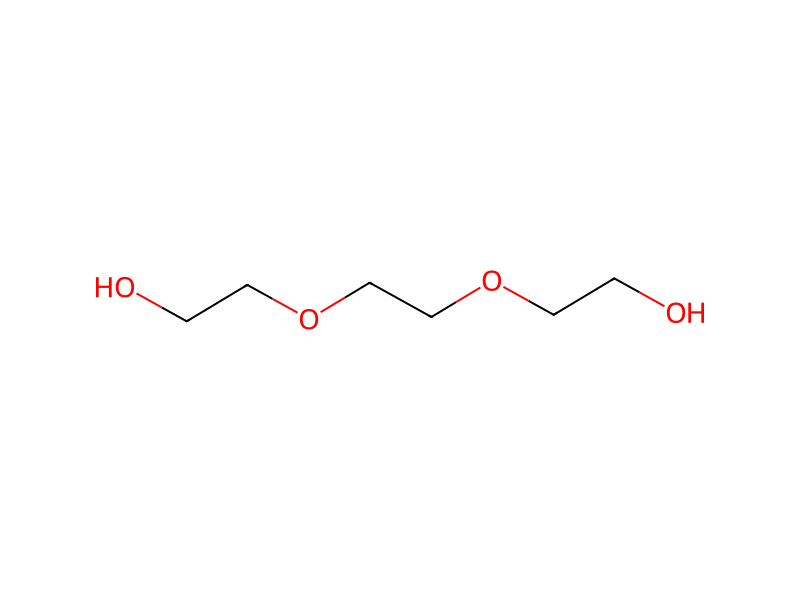
6.4 g (0.0166 mol) of 2,5-dimethyl-3-(3-oxo-3-phenylpropyl)-4-(4-methoxycarbonyl-3,3-dimethylbutyl)thiophene and 100 ml of triethylene glycol are placed in a 250 ml three-necked flask fitted with a mechanical stirrer, a condenser and a thermometer. The temperature is brought to 60° C., 1.86 g (0.0580 mol) of 80% hydrazine hydrate are added to the reaction mixture and then, at 90° C., 2.84 g (0.050 mol) of potassium hydroxide are added. The reaction mixture is then brought to a vigorous reflux and, after the removal of water by distillation, the temperature is maintained at 210° C. for 45 minutes. After cooling, the mixture is hydrolysed with a mixture of water/ice/concentrated HCl (200 g/100 g/17 ml) and then extracted with ether. The combined organic phases are washed with dilute HCl, H2O, and then dried over MgSO4, rendered colourless with carbon black and concentrated to yield 4.5 g of 2,5-dimethyl-3-(3-phenylpropyl)-4-(4-carboxy-3,3-dimethylbutyl)thiophene in the form of a pale yellow oil, yield: 75%.