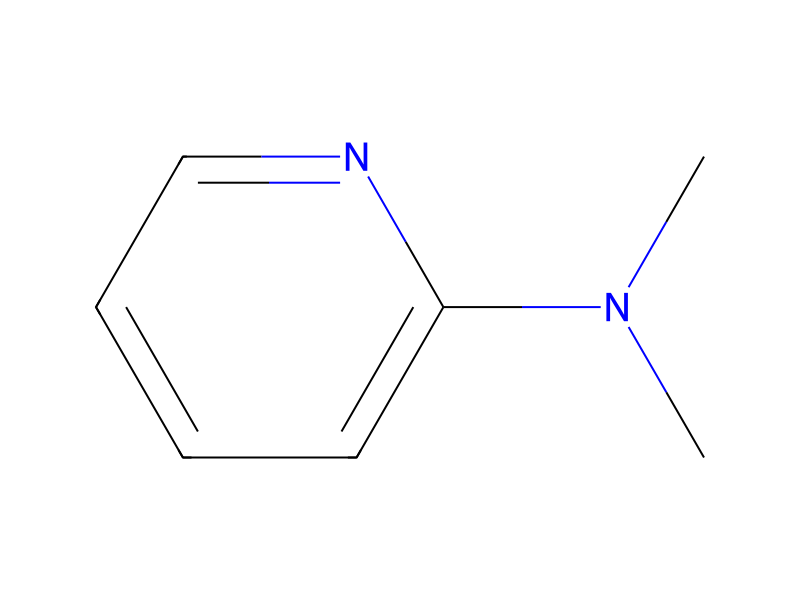
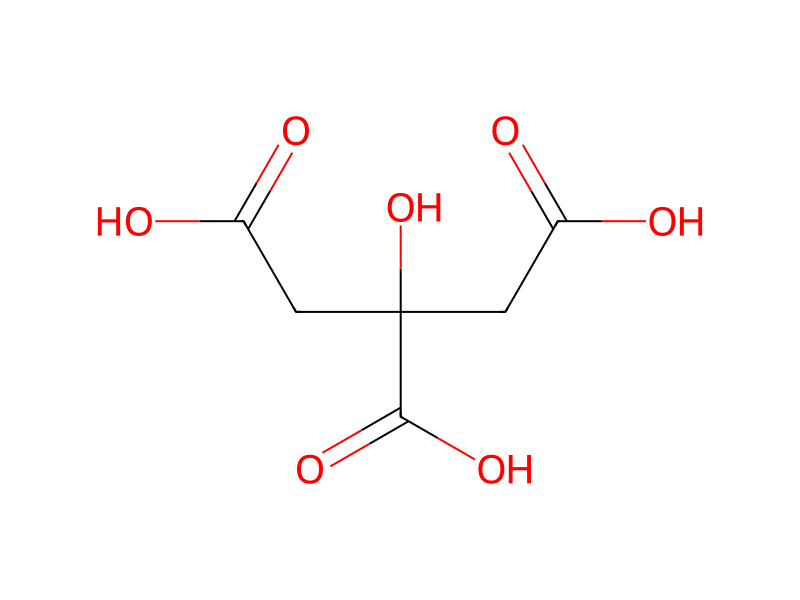
[CH2:1]([S:5]([N-:8][Si](C)(C)C)(=[O:7])=[O:6])[CH2:2][CH2:3][CH3:4].[C:13]([O:17][C:18]([NH:20][C@H:21]([C:25](F)=[O:26])[CH:22]([CH3:24])[CH3:23])=[O:19])([CH3:16])([CH3:15])[CH3:14].CN(C1C=CC=CN=1)C>O1CCCC1.C(O)(=O)CC(CC(O)=O)(C(O)=O)O>[CH2:1]([S:5]([NH:8][C:25](=[O:26])[C@H:21]([CH:22]([CH3:23])[CH3:24])[NH:20][C:18]([O:17][C:13]([CH3:14])([CH3:15])[CH3:16])=[O:19])(=[O:7])=[O:6])[CH2:2][CH2:3][CH3:4]A solution of N-butanesulfonyl-N-trimethylsilylamide (prepared according to the procedure described in Example 8) (1.72 g, 8.28 mmol), t-butoxycarbonylvaline fluoride (1.01 g, 4.6 mmol), and dimethylaminopyridine (220 mg, 1.84 mmol) in tetrahydrofuran (25 ml) is stirred at room temperature for 1 hour. The mixture is diluted with 10% citric acid and extracted with ethyl acetate. The organic layer is washed with water and brine, dried over magnesium sulfate, and concentrated in vacuo. The crude material is chromatographed on silica gel with ethyl acetate/hexane (3:1) to give N-butanesulfonyl-(t-butoxycarbonyl)valineamide.
Loading…