HomeMCPWorkbenchSkills
HomeWorkbenchNotificationsMe
llms.txt · MCP GuidePrivacy Policy · Terms of Service · Supportv1.8.3
  1. Home
  2. /Reaction

Sodium Sulfate → 4-(Triethylsilyloxy)cyclohexanone

HRID 1945255
Print

Reaction equation

HRID 1945255 reaction equation
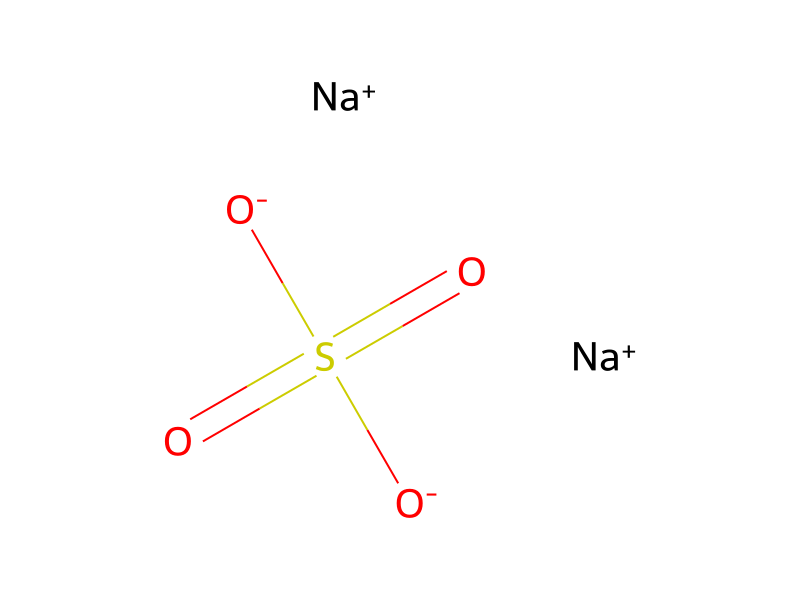
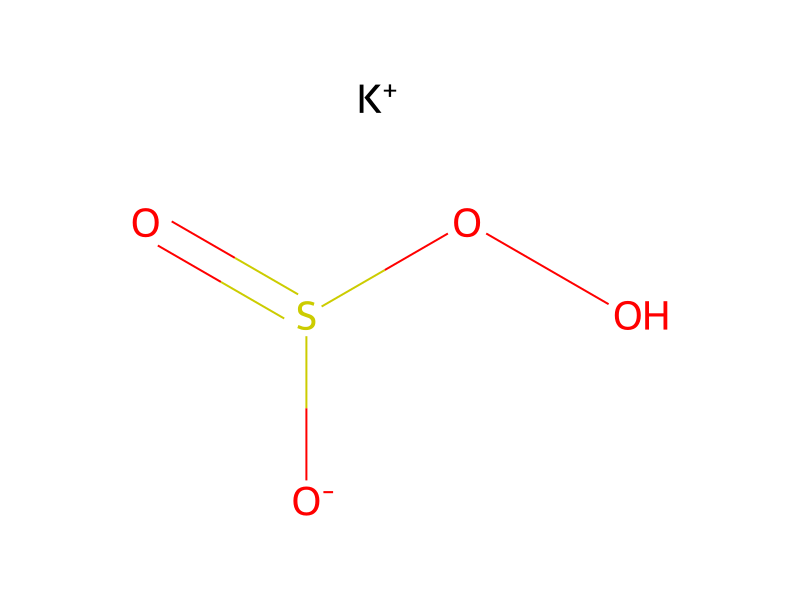
IC1C=CC=CC=1S([O-])(=O)=O.[Na+].OOS([O-])=O.[K+].S([O-])([O-])(=O)=O.[Na+].[Na+].[CH2:26]([Si:28]([CH2:39][CH3:40])([CH2:37][CH3:38])[O:29][CH:30]1[CH2:35][CH2:34][CH:33]([OH:36])[CH2:32][CH2:31]1)[CH3:27]>C(OCC)(=O)C>[CH2:37]([Si:28]([CH2:26][CH3:27])([CH2:39][CH3:40])[O:29][CH:30]1[CH2:35][CH2:34][C:33](=[O:36])[CH2:32][CH2:31]1)[CH3:38]
ParticipantsConditionsProcedureSources & evidenceReaction notes

Participants

6

Reactant 4

HCID 24436Sodium SulfateHCID 23662047Sodium 2-IodobenzenesulfonateHCID 23707502Potassium hydroxy sulfiteHCID 574220074-(Triethylsilyloxy)cyclohexanol

Product 1

HCID 574220084-(Triethylsilyloxy)cyclohexanoneYield 74%

Reagents, catalysts & solvents 1

HCID 8857
Ethyl Acetate
Solvent

Conditions

Temperature
70 °C

Procedure

6.1 mg (0.02 mmol) of sodium 2-iodobenzenesulfonate prepared by Preparation Example 4, 0.49 g (0.8 mmol) of powdered Oxone (registered trademark), 0.5 g (3.5 mmol) of anhydrous sodium sulfate and 230 mg (1 mmol) of 4-(triethylsilyloxy)cyclohexanol were added to 5 ml of ethyl acetate, and the mixture was heated at 70° C. while being stirred under a nitrogen for eight hours. The later treatment was carried out in the same way as in Example 1, and then 4-(triethylsilyloxy)cyclohexanone was obtained. The yield of the obtained 4-(triethylsilyl oxy)cyclohexanone was determined and the result is shown in Table 2. (Yield 74%)

Sources & evidence

ORD record
ord-3258bf25771f4198b669b983e9f51e38
Source dataset
uspto-grants-2013_03
DOI
10.6084/m9.figshare.5104873.v1
Patent number
US08394995B2

Reaction notes

On this pageParticipantsConditionsProcedureSources & evidenceReaction notes