HomeMCPWorkbenchSkills
HomeWorkbenchNotificationsMe
llms.txt · MCP GuidePrivacy Policy · Terms of Service · Supportv1.8.3
  1. Home
  2. /Reaction

Trimethylphosphine → Triethyl [3-[(3,4-dichlorophenyl)methyl]-2-(1-methylethyl)-3,4,5,6,7,8-hexahydrocyclohepta[d]imidazol-4-yl]methanetricarboxylate

HRID 1946475
Print

Reaction equation

HRID 1946475 reaction equation
[Cl:1][C:2]1[CH:3]=[C:4]([CH2:9][N:10]2[C:14]3[CH:15](O)[CH2:16][CH2:17][CH2:18][CH2:19][C:13]=3[N:12]=[C:11]2[CH:21]([CH3:23])[CH3:22])[CH:5]=[CH:6][C:7]=1[Cl:8].[CH2:24]([O:26][C:27]([CH:29]([C:35]([O:37][CH2:38][CH3:39])=[O:36])[C:30]([O:32][CH2:33][CH3:34])=[O:31])=[O:28])[CH3:25].CP(C)C.N(C(OC(C)C)=O)=NC(OC(C)C)=O>C1(C)C=CC=CC=1.CC1CCCO1>[Cl:1][C:2]1[CH:3]=[C:4]([CH2:9][N:10]2[C:14]3[CH:15]([C:29]([C:35]([O:37][CH2:38][CH3:39])=[O:36])([C:27]([O:26][CH2:24][CH3:25])=[O:28])[C:30]([O:32][CH2:33][CH3:34])=[O:31])[CH2:16][CH2:17][CH2:18][CH2:19][C:13]=3[N:12]=[C:11]2[CH:21]([CH3:23])[CH3:22])[CH:5]=[CH:6][C:7]=1[Cl:8]

ParticipantsProcedureWorkupSources & evidenceReaction notes

Participants

7

Reactant 4

HCID 68983TrimethylphosphineHCID 75555Diisopropyl diazene-1,2-dicarboxylateHCID 80471Triethyl methanetricarboxylateHCID 584601473-[(3,4-Dichlorophenyl)methyl]-2-(1-methylethyl)-3,4,5,6,7,8-hexahydrocyclohepta[d]imidazol-4-ol

Product 1

HCID 58460159
Triethyl [3-[(3,4-dichlorophenyl)methyl]-2-(1-methylethyl)-3,4,5,6,7,8-hexahydrocyclohepta[d]imidazol-4-yl]methanetricarboxylate

Reagents, catalysts & solvents 2

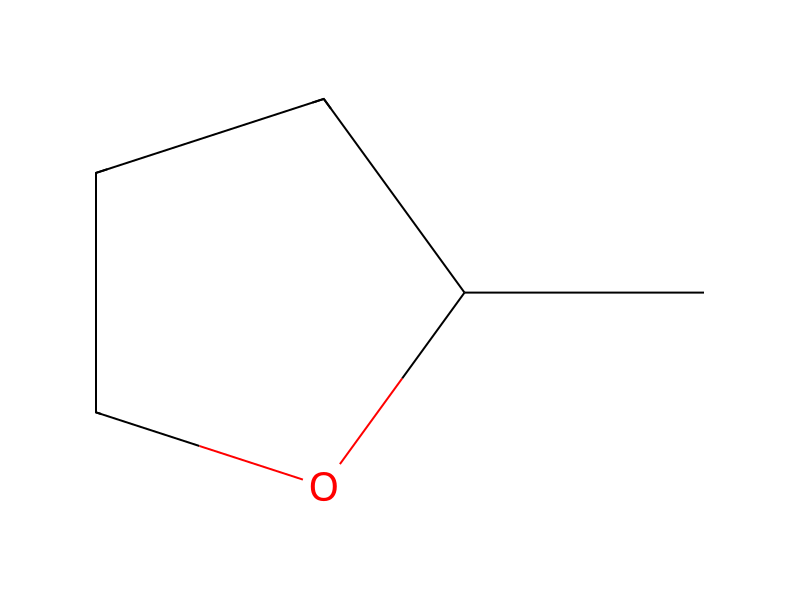
HCID 1140TolueneSolvent2×HCID 73012-MethyltetrahydrofuranSolvent

Procedure

To a suspension of Intermediate 8 (270 mg) and triethylmethanetricarboxylate (0.324 ml) in toluene (4 ml) and methyltetrahydrofuran (4.00 ml), stirred at RT under an inert atmosphere of nitrogen, was added trimethylphosphine, 1M in toluene (1.529 ml). The resulting solution was cooled to −78° C. and diisopropyl azodicarboxylate (0.301 ml) was added dropwise via syringe and the reaction was stirred at −78° C. for 45 mins. The reaction mixture was removed from the cold bath and allowed to warm to RT and stirred under N2 atmosphere overnight. Reaction mixture concentrated slowly in vacuo using the rotavapor with the water bath at 50° C. The residue was taken up in DCM (20 ml) and washed with water (20 mL). The 2 phases were separated; the aqueous was extracted again with DCM (20 mL). The organic extracts were combined, dried (hydrophobic frit) and concentrated under vacuum. The residue was purified by silica using a cyclohexane:ethyl acetate 0-100% gradient. The desired fractions were combined and concentrated under vacuum to give the title compound (435 mg).

Workup

  1. temperatureThe resulting solution was cooled to −78° C.
  2. stirringthe reaction was stirred at −78° C. for 45 mins
  3. customThe reaction mixture was removed from the cold bath
  4. temperatureto warm to RT
  5. stirringstirred under N2 atmosphere overnight
  6. customReaction mixture
  7. concentrationconcentrated slowly in vacuo
  8. customat 50° C
  9. washwashed with water (20 mL)
  10. customThe 2 phases were separated
  11. extractionthe aqueous was extracted again with DCM (20 mL)
  12. customdried (hydrophobic frit)
  13. concentrationconcentrated under vacuum
  14. customThe residue was purified by silica using a cyclohexane
  15. concentrationconcentrated under vacuum

Sources & evidence

ORD record
ord-626ea5e6508c4a4c8b59d6f5ceb35b79
Source dataset
uspto-grants-2013_03
DOI
10.6084/m9.figshare.5104873.v1
Patent number
US08399444B2

Reaction notes

On this pageParticipantsProcedureWorkupSources & evidenceReaction notes