HomeMCPWorkbenchSkills
HomeWorkbenchNotificationsMe
llms.txt · MCP GuidePrivacy Policy · Terms of Service · Supportv1.8.0
  1. Home
  2. /Reaction

Sodium Carbonate → 3-bromo-1-ethyl-quinoxalin-2(1H)-one

HRID 1961562
Notes
Print preview

Reaction equation

HRID 1961562 reaction equation
[CH2:1]([N:3]1[C:12]2[C:7](=[CH:8][CH:9]=[CH:10][CH:11]=2)[NH:6][C:5](=O)[C:4]1=[O:14])[CH3:2].P(Br)(Br)([Br:17])=O.C(=O)([O-])[O-].[Na+].[Na+]>ClC(Cl)C>[Br:17][C:5]1[C:4](=[O:14])[N:3]([CH2:1][CH3:2])[C:12]2[C:7]([N:6]=1)=[CH:8][CH:9]=[CH:10][CH:11]=2
ParticipantsProcedureWorkupSources & evidenceReaction notes

Participants

5

Reactant 3

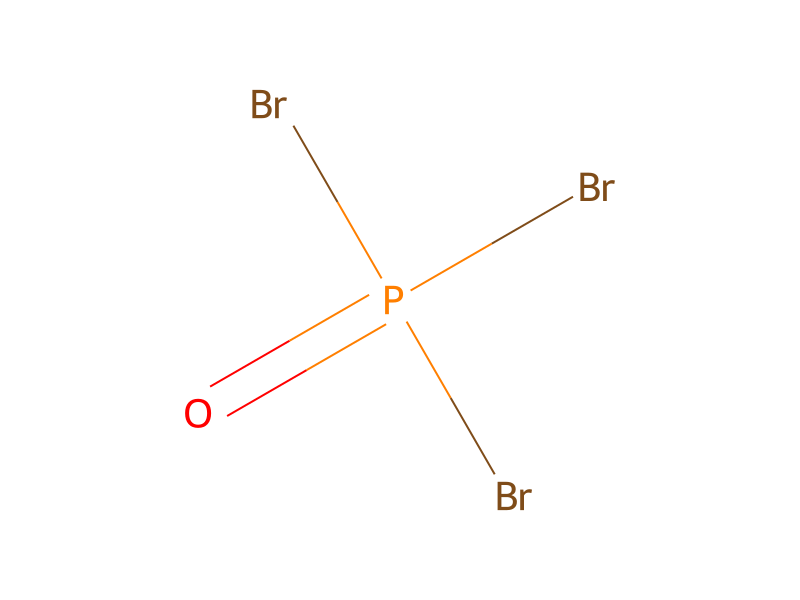
HCID 10340Sodium CarbonateHCID 24613Phosphorus oxybromideHCID 144605371-Ethyl-3-hydroxyquinoxalin-2(1H)-one

Product 1

HCID 581109523-bromo-1-ethyl-quinoxalin-2(1H)-oneYield 53%

Reagents, catalysts & solvents 1

HCID 63651,1-DichloroethaneSolvent

Procedure

To 2 g (10.5 mM) of 1-ethyl-1,4-dihydroquinoxaline-2,3-dione in 20 ml of dichloroethane were added dropwise 3.16 g (11.0 mM) of POBr3. The reaction mixture was refluxed under stirring for 2 h and then treated with ice cold and an aqueous sodium carbonate solution. The mixture was filtered and the filtrate was extracted with dichloromethane, dried over anhydrous sodium sulfate and concentrated to give 1,4 g of 3-bromo-1-ethyl-quinoxalin-2(1H)-one as a yellow solid. Yield: 53%.

Workup

  1. temperatureThe reaction mixture was refluxed
  2. additiontreated with ice cold
  3. filtrationThe mixture was filtered
  4. extractionthe filtrate was extracted with dichloromethane
  5. dry with materialdried over anhydrous sodium sulfate
  6. concentrationconcentrated

Sources & evidence

ORD record
ord-7da4a326928d43f3991e49751fbcc300
Source dataset
uspto-grants-2013_04
DOI
10.6084/m9.figshare.5104873.v1
Patent number
US08415352B2

Reaction notes

Loading…

On this pageParticipantsProcedureWorkupSources & evidenceReaction notes