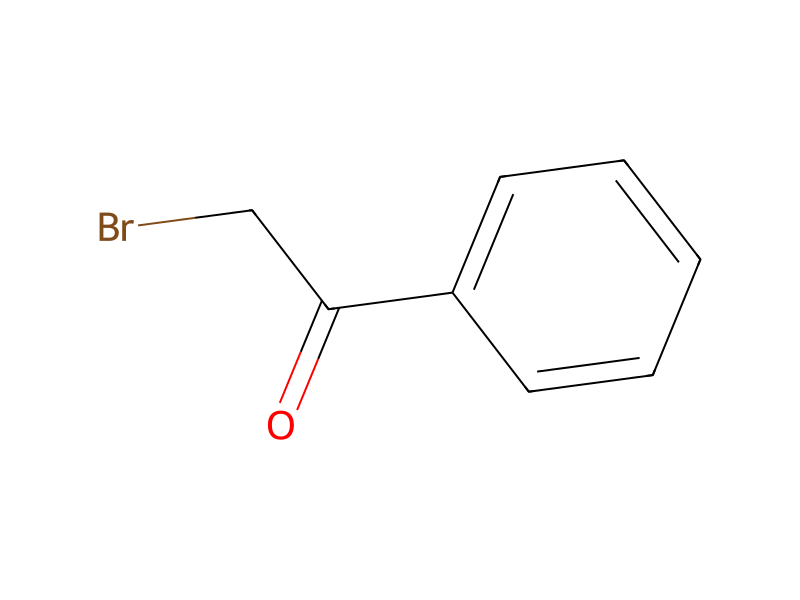
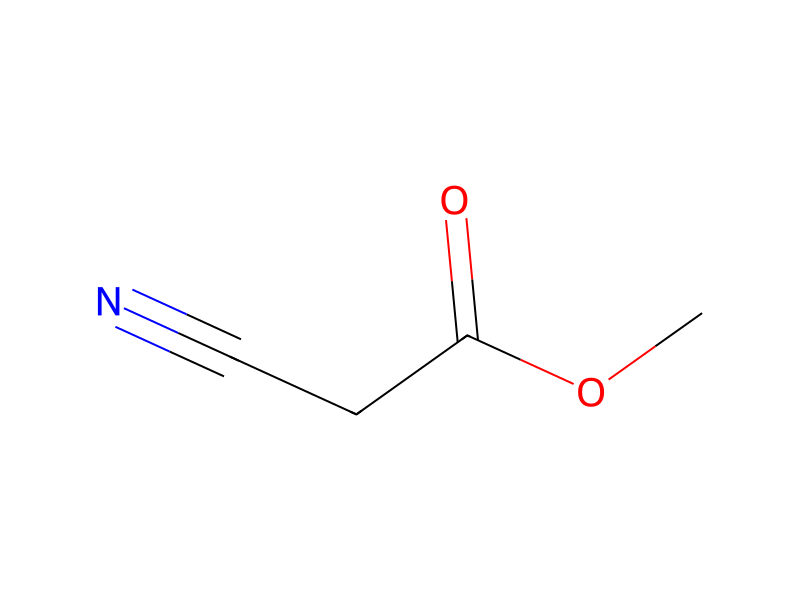
To a suspension of methyl 2-chloro-5-phenyl-1H-pyrrole-3-carboxylate (4.66 g) synthesized from methyl cyanoacetate and phenacyl bromide in the same manner as in Reference Example 95 and Reference Example 97 in acetonitrile (200 mL) was added 2,6-dichloro-N-fluoropyridinium triflate (6.26 g) over 10 min under ice-cooling. The reaction mixture was stirred at the same temperature for 2 hr and at room temperature for 2 hr, and concentrated under reduced pressure. A saturated aqueous sodium hydrogencarbonate solution was added to the residue, and the mixture was extracted with ethyl acetate. The extract was dried over magnesium sulfate, and concentrated under reduced pressure. The residue was purified by silica gel column chromatography (eluent: hexane-ethyl acetate=19:1→7:3) to give the title compound as a pale-yellow solid (yield 815 mg, 16%). More specifically, to a solution of methyl cyanoacetate (41 g) and diisopropylethylamine (117 g) in tetrahydrofuran (2600 mL) was added dropwise a solution of phenacyl bromide (75 g) in tetrahydrofuran (370 mL). The mixture was stirred at room temperature for 12 hr. The reaction mixture was filtered, and the obtained filtrate was concentrated under reduced pressure. The residue was dissolved in ethyl acetate, washed successively with 1 mol/L hydrochloric acid, water and saturated brine, dried over anhydrous sodium sulfate, and concentrated under reduced pressure. The residue was washed with diethyl ether to give methyl 2-cyano-4-phenyl-4-oxobutanoate as a brown oil (yield 77.4 g, 95%). To a solution (125 mL) of ethyl 2-cyano-4-(2,6-difluorophenyl)-4-oxobutanoate (25 g) in ethyl acetate was added dropwise 4 mol/L hydrogen chloride-ethyl acetate solution (25 mL). The mixture was stirred at room temperature for 18 hr, and concentrated under reduced pressure. Water was added to the residue, and the mixture was extracted with ethyl acetate. The organic layer was washed with 6% aqueous sodium hydrogencarbonate solution and saturated brine, dried over anhydrous sodium sulfate, and concentrated under reduced pressure. The residue was washed with diisopropyl ether to give methyl 2-chloro-5-phenyl-1H-pyrrole-3-carboxylate as colorless crystals (yield 10.0 g, 37%). The title compound was synthesized from the thus-obtained methyl 2-chloro-5-phenyl-1H-pyrrole-3-carboxylate.