Reaction equation

[CH3:1][O:2][C:3](=[O:21])[C:4]([C:7]1[CH:12]=[C:11]([Cl:13])[CH:10]=[CH:9][C:8]=1[O:14][C:15]1[CH:20]=[CH:19][CH:18]=[CH:17][CH:16]=1)=[CH:5]O.CCCCCC.C1(C)C=CC=CC=1.O>P(OP(O)(O)=O)(O)(O)=O>[CH3:1][O:2][C:3]([C:4]1[C:7]2[CH:12]=[C:11]([Cl:13])[CH:10]=[CH:9][C:8]=2[O:14][C:15]2[CH:20]=[CH:19][CH:18]=[CH:17][C:16]=2[CH:5]=1)=[O:21]Participants





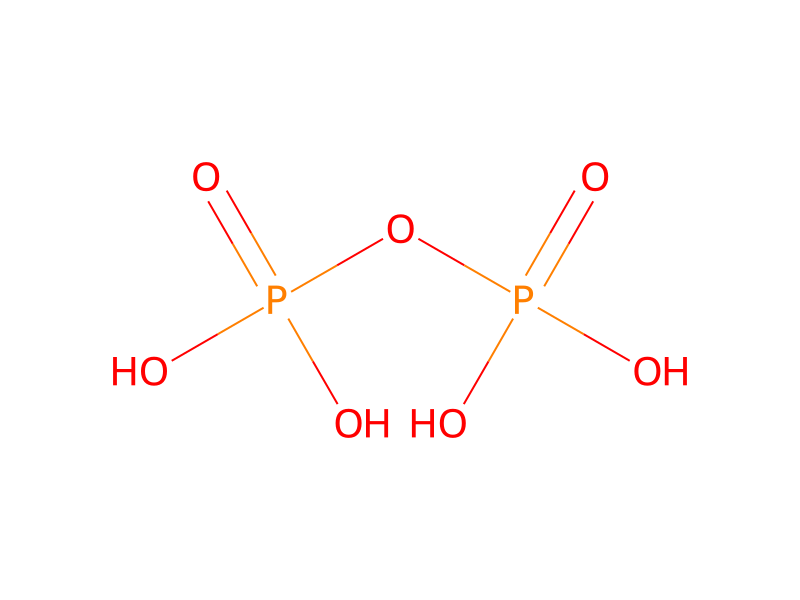
Conditions
- Temperature
- 20 °C
Procedure
A slurry of 2-(5-chloro-2-phenoxy-phenyl)-3-hydroxy-acrylic acid methyl ester (210 g, 691 mmol) was heated in pyrophosphoric acid (420 g) to 60° C. After two hours, the reaction was cooled to 20° C. and hexane (250 mL), toluene (500 mL), and water (500 mL) were added to quench the reaction. The organic layer was separated and washed with saturated aqueous sodium bicarbonate (500 mL) and saturated brine (500 mL). The organic fraction was concentrated and the resulting oil was crystallized from n-butanol (500 mL; 20° C. for one hour and −10° C. for two hours), which provided the titled compound as off-white crystals (172 g, 85% yield for steps A and B). 1H NMR (400 MHz, CDCl3) 3.9 (s, 3H), 7.1-7.2 (m, 3H), 7.3 (m, 2H), 7.4 (t, 1H), 7.6 (d, 1H), 8.0 (s, 1H).
Workup
- customto quench
- customthe reaction
- customThe organic layer was separated
- washwashed with saturated aqueous sodium bicarbonate (500 mL) and saturated brine (500 mL)
- concentrationThe organic fraction was concentrated
- customthe resulting oil was crystallized from n-butanol (500 mL; 20° C. for one hour and −10° C. for two hours), which
Sources & evidence
- ORD record
- ord-c2c2ea9c52f649e39657d96d689d23d4
- Source dataset
- uspto-grants-2013_04
- Patent number
- US08426610B2
Linked notes
Loading…