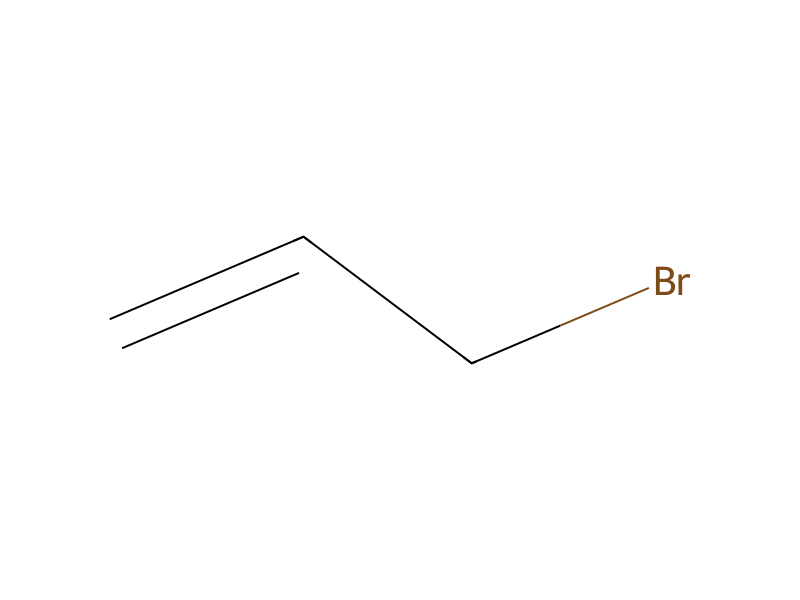
[C:1]1([NH:7][C:8]2([C:22]([OH:24])=[O:23])[CH2:13][CH2:12][N:11]([CH2:14][CH2:15][C:16]3[CH:21]=[CH:20][CH:19]=[CH:18][CH:17]=3)[CH2:10][CH2:9]2)[CH:6]=[CH:5][CH:4]=[CH:3][CH:2]=1.[Na].CN(C)P(=O)(N(C)C)N(C)C.Br[CH2:38][CH:39]=[CH2:40]>O>[C:1]1([NH:7][C:8]2([C:22]([O:24][CH2:40][CH:39]=[CH2:38])=[O:23])[CH2:9][CH2:10][N:11]([CH2:14][CH2:15][C:16]3[CH:17]=[CH:18][CH:19]=[CH:20][CH:21]=3)[CH2:12][CH2:13]2)[CH:6]=[CH:5][CH:4]=[CH:3][CH:2]=1A mixture of 10.4 parts of 4-(phenylamino)-1-(2-phenylethyl)-4-piperidinecarboxylic acid, sodium salt and 75 parts of hexamethylphosphoric triamide is stirred and heated to 110° C for a while. After cooling to 20° C, 3.63 parts of 3-bromo-1-propene are added dropwise. Upon completion, stirring is continued for 20 hours at room temperature. The reaction mixture is poured onto 150 parts of water and the product is extracted with methylbenzene. The extract is washed with water, filtered and evaporated. The oily residue is purified by column-chromatography over silica gel using a mixture of trichloromethane and 5% of methanol as eluent. The pure fractions are collected and the eluent is evaporated. The oily residue is crystallized from hexane, yielding 2-propenyl 4-(phenylamino)-1-(2-phenylethyl)-4-piperidinecarboxylate; mp. 57.2° C.
Loading…