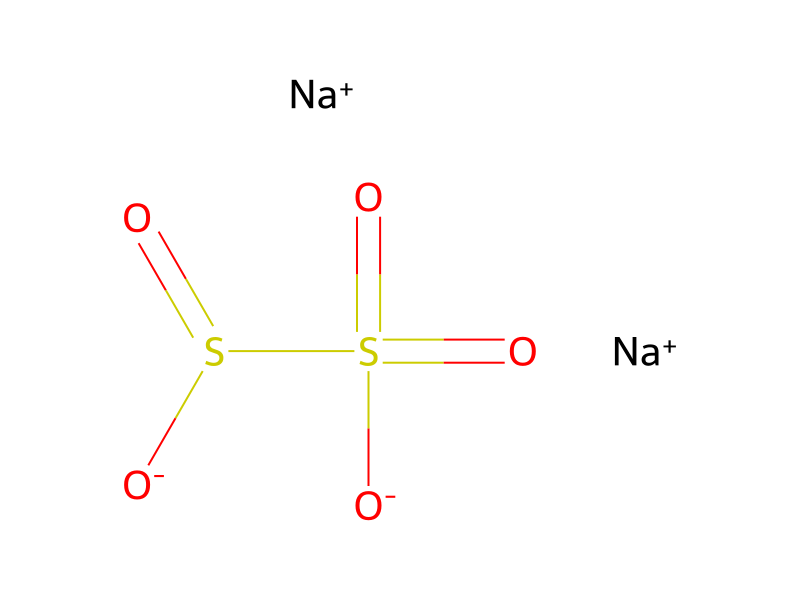
[Br:1][C:2]1[C:6]([S:7]([C:10]([F:13])([F:12])[F:11])(=[O:9])=[O:8])=[C:5]([C:14]2[CH:19]=[CH:18][C:17]([Cl:20])=[CH:16][CH:15]=2)[NH:4][C:3]=1[S:21][C:22]([F:25])([F:24])[F:23].ClC1C=C(C=CC=1)C(OO)=[O:31].S(S([O-])=O)([O-])(=O)=O.[Na+].[Na+]>C(Cl)(Cl)Cl.C(Cl)Cl>[Br:1][C:2]1[C:6]([S:7]([C:10]([F:11])([F:12])[F:13])(=[O:8])=[O:9])=[C:5]([C:14]2[CH:15]=[CH:16][C:17]([Cl:20])=[CH:18][CH:19]=2)[NH:4][C:3]=1[S:21]([C:22]([F:25])([F:24])[F:23])=[O:31]A solution of 3-bromo-5-(p-chlorophenyl)-4-[(trifluoromethyl)sulfonyl]-2-[(trifluoromethyl)thio]pyrrole (0.4 g, 0.00082 mol) in chloroform (5 mL) is cooled with an ice bath, treated with a solution of 3-chloroperoxybenzoic acid (0.24 g, 60%, 0.00082 mol) in chloroform (10 mL), stirred for two hours, warmed to room temperature and stirred overnight. The reaction mixture is treated with saturated sodium metabisulfite solution, diluted with methylene chloride, washed with saturated sodium hydrogen carbonate solution and brine, dried over anhydrous magnesium sulfate and concentrated in vacuo to obtain a residue. The residue is placed on a prep plate and eluted with a 1:2 ethyl acetate/hexanes solution to give the title product as a white solid (0.25 g, mp 120°-170° C.) which is 1HNMR spectral analysis.