N-nitroso-N-(4-chlorobenzyl)-4-methoxyaniline → 1-(4-Chlorobenzyl)-1-(4-methoxyphenyl)hydrazine hydrochloride
HRID 1975730
Reaction equation

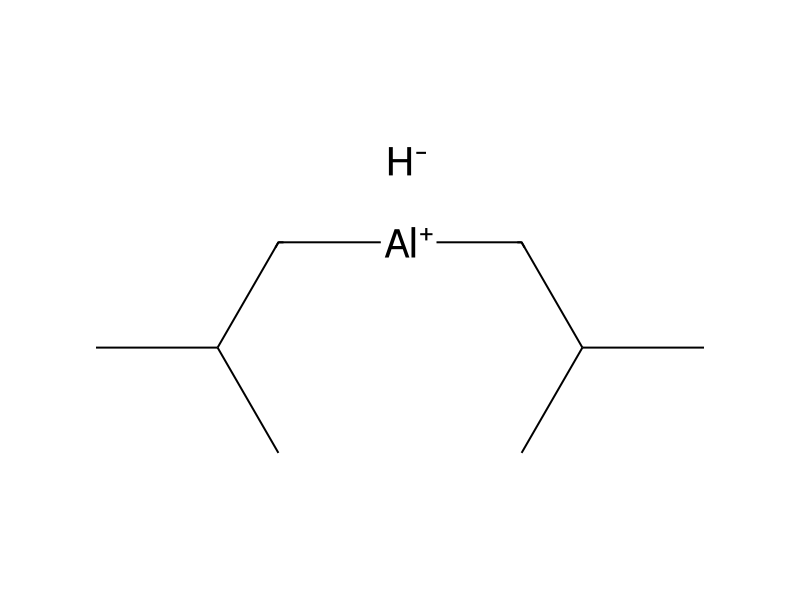
[N:1]([N:3]([CH2:12][C:13]1[CH:18]=[CH:17][C:16]([Cl:19])=[CH:15][CH:14]=1)[C:4]1[CH:9]=[CH:8][C:7]([O:10][CH3:11])=[CH:6][CH:5]=1)=O.[H-].C([Al+]CC(C)C)C(C)C>C1COCC1>[ClH:19].[Cl:19][C:16]1[CH:17]=[CH:18][C:13]([CH2:12][N:3]([C:4]2[CH:9]=[CH:8][C:7]([O:10][CH3:11])=[CH:6][CH:5]=2)[NH2:1])=[CH:14][CH:15]=1Participants
4
Reactant 2

Product 1

Reagents, catalysts & solvents 1

Conditions
- Temperature
- 0 °C