Oct-2-ene → 1-Tetralone
Reaction equation

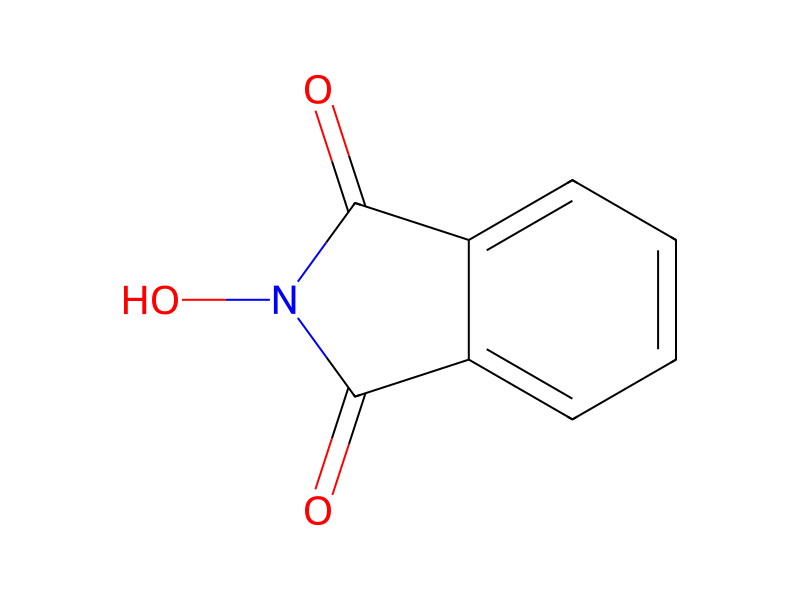
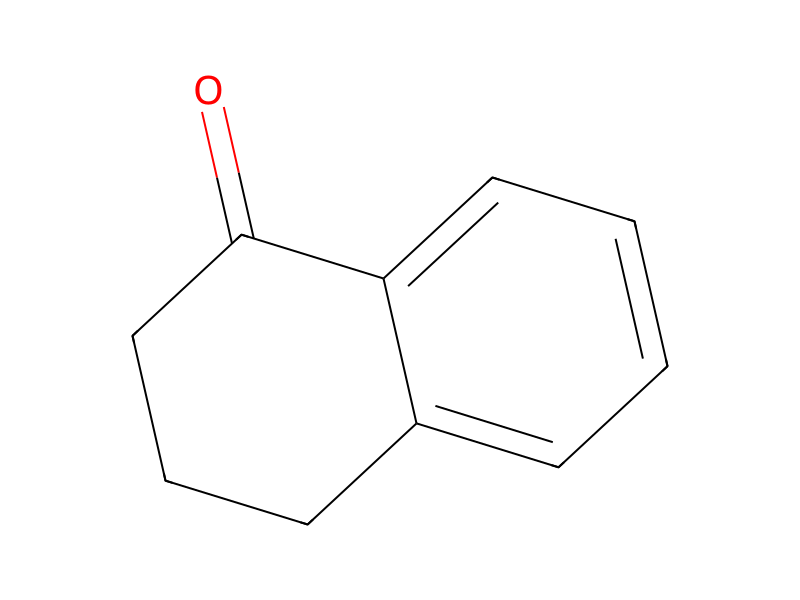
[CH3:1][CH:2]=CCCCCC.[CH2:9]1[C:18]2[C:13](=[CH:14][CH:15]=[CH:16][CH:17]=2)[CH2:12][CH2:11][CH2:10]1.[OH:19]N1[C:24](=O)[C:23]2=[CH:26][CH:27]=[CH:28][CH:29]=[C:22]2[C:21]1=[O:30].O1C(CCCCC)C1C>[C-]#[O+].[C-]#[O+].[C-]#[O+].[C-]#[O+].[C-]#[O+].[C-]#[O+].[Mo].C([O-])(=O)C.[Co+2].C([O-])(=O)C.C(#N)C>[CH2:16]1[CH2:17][C:18]2[C:13](=[CH:12][CH:11]=[CH:10][CH:9]=2)[CH:14]([OH:19])[CH2:15]1.[CH2:1]1[CH2:2][C:21](=[O:30])[C:22]2[C:23](=[CH:26][CH:27]=[CH:28][CH:29]=2)[CH2:24]1Participants
9
Reactant 4



Product 2

Reagents, catalysts & solvents 3



Conditions
- Temperature
- 70 °C
Procedure
A mixture of 2 mmol of 2-octene (a mixture of cis- and trans-isomers), 10 mmol of tetralin, 0.2 mmol of N-hydroxyphthalimide, 0.1 mmol of molybdenum hexacarbonyl, 0.002 mmol of cobalt (II) acetate, and 2 ml of acetonitrile was stirred at 70° C. under an oxygen atmosphere (1 atm) for 5 hours. Gas chromatographic analysis of products in a reaction mixture revealed that 2-octene was converted, at a rate of 56%, into 2,3-epoxyoctane in yield of 49%. In this connection, tetralin was found to be converted, at a rate of 23%, into α-tetralol (yield: 7.7%) and α-tetralone (yield: 10%).
Sources & evidence
- ORD record
- ord-490dc1a7afd445de909214a587c26f74
- Source dataset
- uspto-grants-2001_05
- Patent number
- US06229023B1
Reaction notes
Loading…