Carbon Dioxide → 5-Carboxy-2-ethylindole
HRID 1978989
Reaction equation

Cl[C:2]1[CH:3]=[C:4]2[C:8](=[CH:9][CH:10]=1)[NH:7][C:6]([CH3:11])=[CH:5]2.CC1NC2C(C=1)=CC=CC=2.Cl[C:23]1NC2C(C=1)=CC=CC=2.[C:32](=[O:34])=[O:33]>>[C:32]([C:2]1[CH:3]=[C:4]2[C:8](=[CH:9][CH:10]=1)[NH:7][C:6]([CH2:11][CH3:23])=[CH:5]2)([OH:34])=[O:33]Participants
5


Procedure
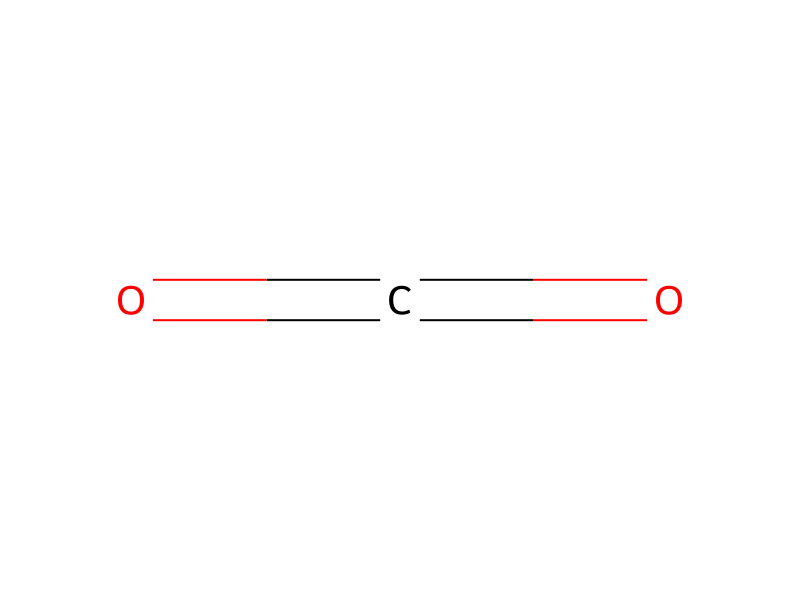
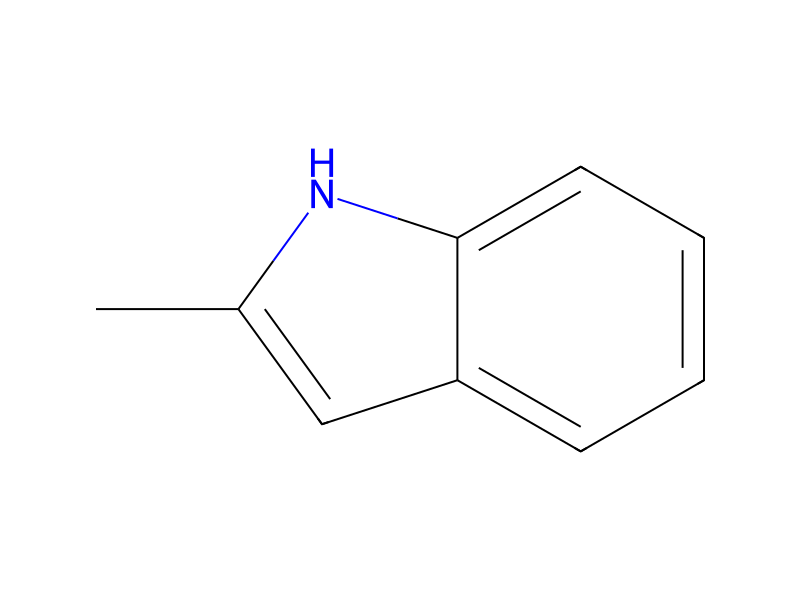
This synthesis could start with 5-chloro-2-methylindole, which could be alkylated with methyl indole (see 28a). The product chloroindole could then be converted to its Grignard species and exposed to carbon dioxide to finish the synthesis.
Workup
- customThis synthesis
- customthe synthesis
Sources & evidence
- ORD record
- ord-0a5a880e4f0e4d61ac2e74389dd3f109
- Source dataset
- uspto-grants-2001_05
- Patent number
- US06239161B1