
2-Methylindole
Completing data — refresh the page later to see the latest
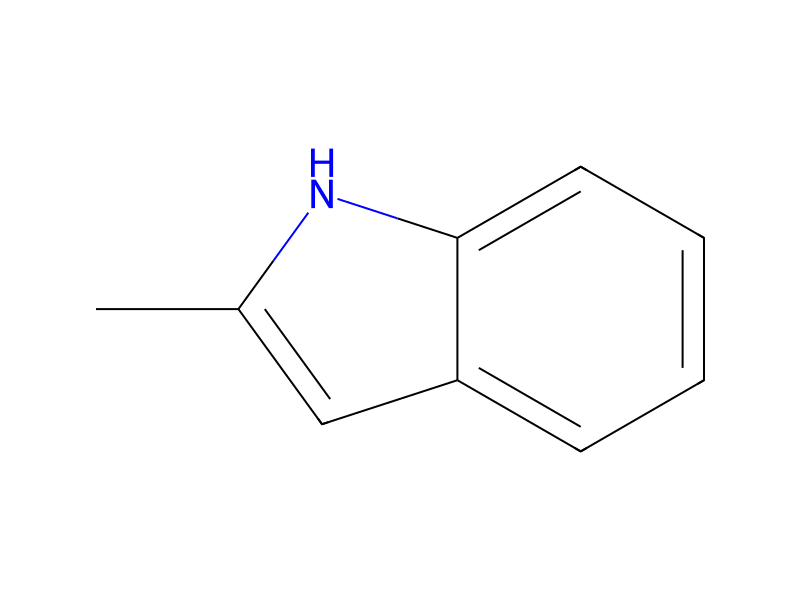
Basic information
- CAS
95-20-5- Standard SMILES
Cc1cc2ccccc2[nH]1- InChIKey
BHNHHSOHWZKFOX-UHFFFAOYSA-N- Molecular formula
- C9H9N
- Average molar mass
- 131.17 g/mol
- Monoisotopic mass
- 131.07349929
Overview
2-methyl-1H-indole is a methylindole that is 1H-indole substituted by a methyl group at position 2. It derives from a hydride of a 1H-indole.
Names & identifiers
- Preferred name
- 2-Methylindole
- IUPAC
- 2-methyl-1H-indole
- English name
- 2-Methylindole
- Molecular formula
- C9H9N
- Molecular weight
- 131.17
Names & synonyms
2-METHYLINDOLE95-20-52-Methyl-1H-indole1H-Indole, 2-methyl-Indole, 2-methyl-DTXSID5059117I7CN58827INSC-7514CHEBI:49402RefChem:88341DTXCID8048947202-398-3
Show more names
AURORA 15496a-Methylindol-Methylindole2-methyl-indolMETHYLINDOLE(2-)
MethylketoleMFCD00005616NSC 75142-METHYL INDOLE2-methylindolEINECS 202-398-3a-methylindolemethyl indole
Database identifiers
- CAS
95-20-5- PubChem CID
- 7224
- DTXSID
DTXSID5059117- ChEMBL
CHEMBL259419- ChEBI
CHEBI:49402- UNII
- I7CN58827I
- EC Number
- 202-398-3
- Nikkaji
- J3.949G
Properties
Computed structural propertiesFilling in
- XLogP
- 2.5
- Topological polar surface area
- 15.8 Ų
- Hydrogen bond donors
- 1
- Hydrogen bond acceptors
- 0
- Rotatable bonds
- 0
- Heavy atoms
- 10
- Formal charge
- 0
- Complexity
- 122
Experimental & physicochemical properties
Chemical ClassesNitrogen Compounds -> Indoles
SpringerMaterials PropertiesAngular frequency
LogP2.53
Food AdditivesFood
Flavoring AgentsEU Flavoring substances
Vapor Pressure0.00603 [mmHg]
Physical DescriptionOff-white crystalline solid; [Alfa Aesar MSDS]
Physicochemical properties
- Melting point
- 57 · 57-59 °C (lit.)
- Boiling point
- 273 °C · 273 °C (lit.)
- Density
- 1 · 1,07 g/cm3
- refractive index
- 1.607 · 1.6070 (estimate)
Safety & regulation
Safety information is for reference only and does not replace the supplier’s Safety Data Sheet (SDS), applicable regulations, or professional assessment.
GHS classification
GHS Classification
Danger
H302 (13.8%): Harmful if swallowed [Warning Acute toxicity, oral]
P264, P264+P265, P270, P280, P301+P317, P305+P354+P338, P317, P330, and P501 (click each P-code to see the statement)
Aggregated GHS information provided per 80 reports by companies from 7 notifications to the ECHA C&L Inventory. Each notification may be associated with multiple companies.
Hazard information
Regulatory Information
Chemical: 1H-Indole, 2-methyl-
Commission Regulation (EC) No 1565/2000 (Repealed by Com. Implementing Reg. (EU) No 872/2012)
2-Methylindole: Does not have an individual approval but may be used under an appropriate group standard
Hazards SummaryIntraperitoneal LD50 (mouse) > 262 mg/kg; [RTECS] An irritant; Harmful by ingestion; [Alfa Aesar MSDS] See 3-Methylindole.
Hazard Classes and CategoriesAcute Tox. 4 (13.8%)
Safety data
- F
- 8-10-13-23
- PPE
- dust mask type N95 (US), Eyeshields, Gloves
- wgk
- 3
- tsca
- TSCA listed
- rtecs
- NM0345000
- ridadr
- 3335
- hs_code
- 29339990
- risk_code
- 20/21/22-41
- Signal word
- Warning
- Symbol(GHS)
- GHS07
Chemistry & industry
Uses & manufacturing
General Manufacturing Information1H-Indole, 2-methyl-: ACTIVE
Applications
Uses2-Methylindole is an intermediate in the synthesis of indole derivative with potential antifungal activities. It can be used as a raw material for the preparation of deacetylase (HDAC) inhibitor panobinostat.
Uses2-Methylindole is used as a reactant for regioselective synthesis of oxopyrrolidine analogs via iodine-catalyzed Markovnikov addition reaction, Friedel-Crafts alkylation reactions, preparation of tryptophan dioxygenase inhibitors pyridyl-ethenyl-indoles as potential anticancer immunomodulators, Michael addition reactions and in synthesis of cyclooxygenase-1 (COX-1)/cyclooxygenase-2 (COX-2) inhibitors.
Preparation methods
Preparation2-Methylindole was synthesized from 2-Acetamidotoluene by the following procedure. 2-Acetamidotoluene was added to the mixture of anhydrous ether and sodium amide, heated to 240-260°C under the protection of nitrogen flow, kept for 10min, a large amount of gas was generated in the reaction, and the reaction ended when the gas stopped escaping, and cooled. Ethanol and warm water were added and heated to decompose the sodium derivative of 2-Methylindole and excess sodium amide. After cooling, it was extracted with ether. The extract was concentrated and then distilled, and the fractions at 119-126°C (0.4-0.53kPa) were collected to obtain 2-Methylindole with a yield of 80%-83%. The product can be purified by methanol recrystallization.
Upstream & downstream products
Upstream raw materials
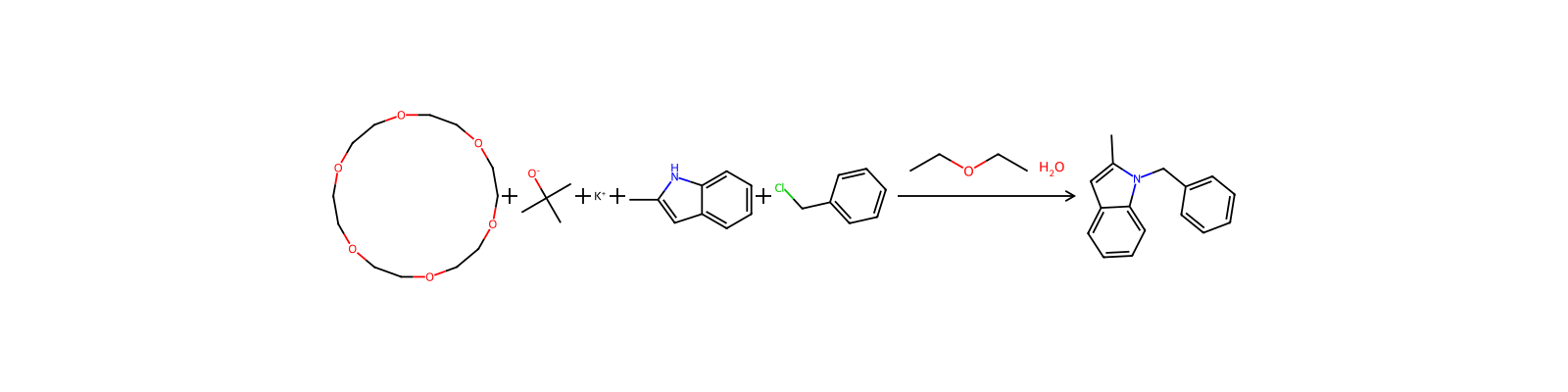
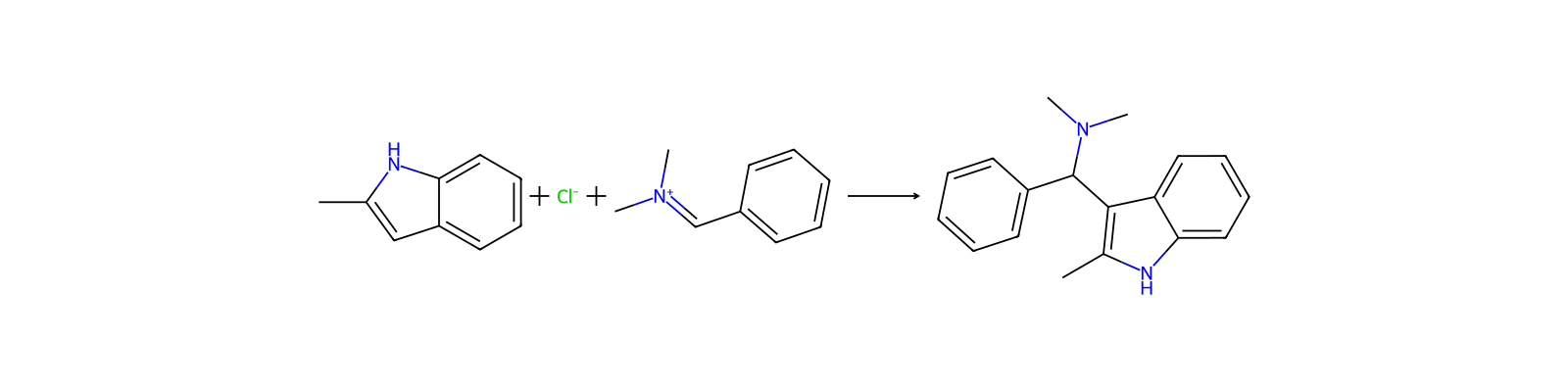
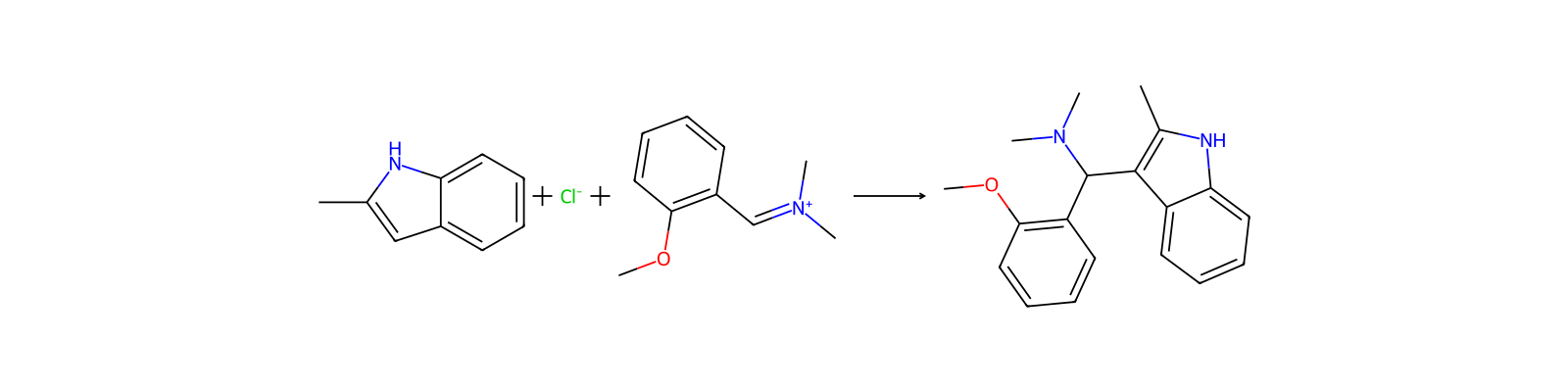
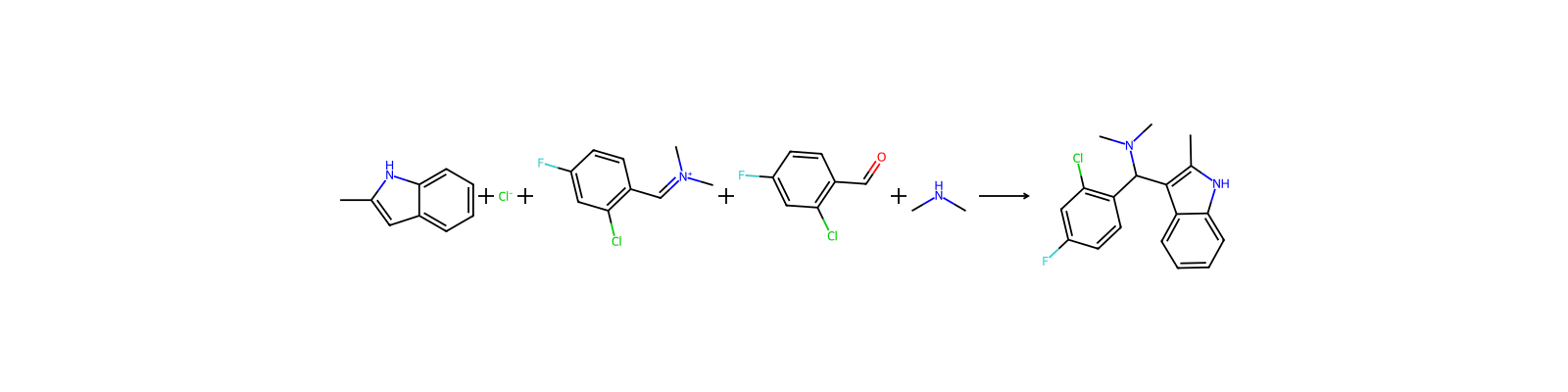
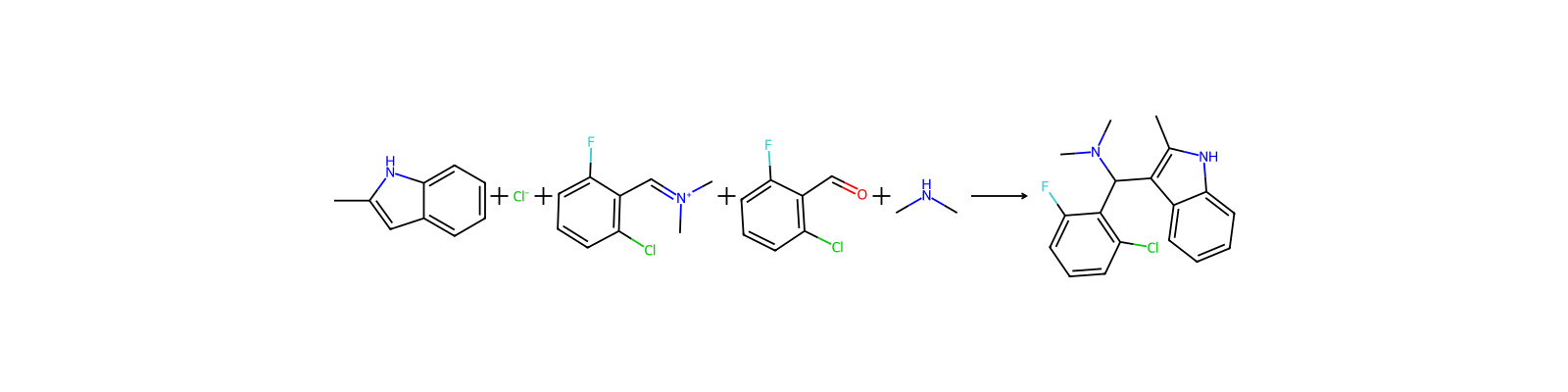
Related reactions
214 records


Compound notes
Loading…