Reaction equation

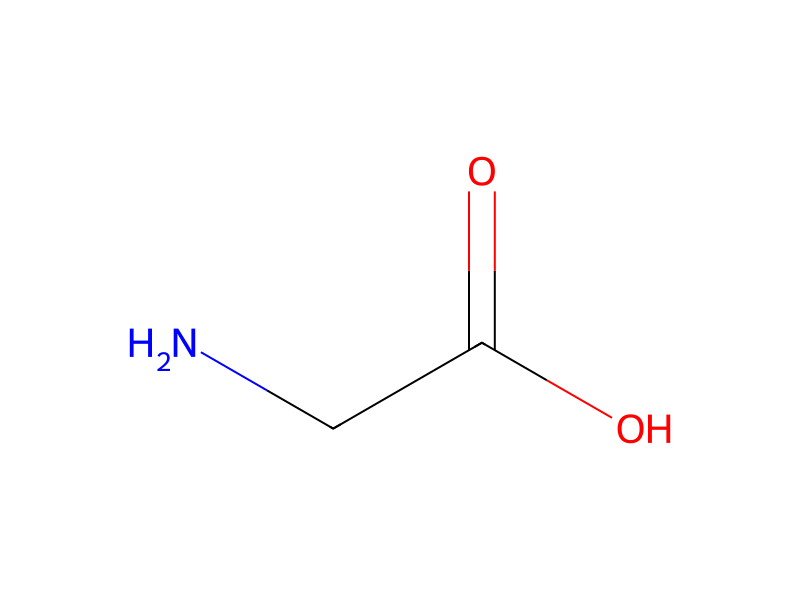
[NH2:1][C@H:2]([C:8]([OH:10])=[O:9])[CH2:3][CH2:4][C:5]([OH:7])=O.[NH2:11][C@H:12]([C:15]([OH:17])=O)[CH2:13][SH:14].[NH2:18][CH2:19][C:20]([OH:22])=[O:21].[Cl-].[Mg+2].[Cl-].C(OP([O-])([O-])=O)(=O)C.P(OC[C@H]1O[C@@H](N2C3N=CN=C(N)C=3N=C2)[C@H](O)[C@@H]1O)(OP(OP(O)(O)=O)(O)=O)(=O)O>>[NH2:1][C@@H:2]([CH2:3][CH2:4][C:5]([NH:11][C@H:12]([C:15]([NH:18][CH2:19][C:20]([OH:22])=[O:21])=[O:17])[CH2:13][SH:14])=[O:7])[C:8]([OH:10])=[O:9]Participants


Procedure
The culturing and the collection of the microbial cells were effected in a similar manner to that described in Example 2 and the ultrasonic treatment (90 KHz/5 min.) of the microbial cells was carried out to obtain a cell-free extracted solution, of which 0.05 ml was then added to a 50 mM tris-buffer solution (pH 7.5; 9.95 ml) containing L-glutamic acid (25 mM), L-cysteine (25 mM), glycine (50 mM), magnesium chloride (10 mM), acetylphosphate (10 mM) and ATP (5 mM) to effect the enzymatic reaction at 37° C. for one hour. After completion of the reaction, the amount of glutathione formed in the reaction solution was measured to determine the accumulated glutathione per one mg of protein. The results are shown in the following Table 2.
Workup
- customThe culturing and the collection of the microbial cells
- customthe ultrasonic treatment (90 KHz/5 min.) of the microbial cells
- customto obtain a cell-free extracted solution
- customthe enzymatic reaction at 37° C. for one hour
- customAfter completion of the reaction
Sources & evidence
- ORD record
- ord-653ca11dddbf4fed8c3668a4e55fe030
- Source dataset
- uspto-grants-1986_06
- Patent number
- US04596775
Linked notes
Loading…