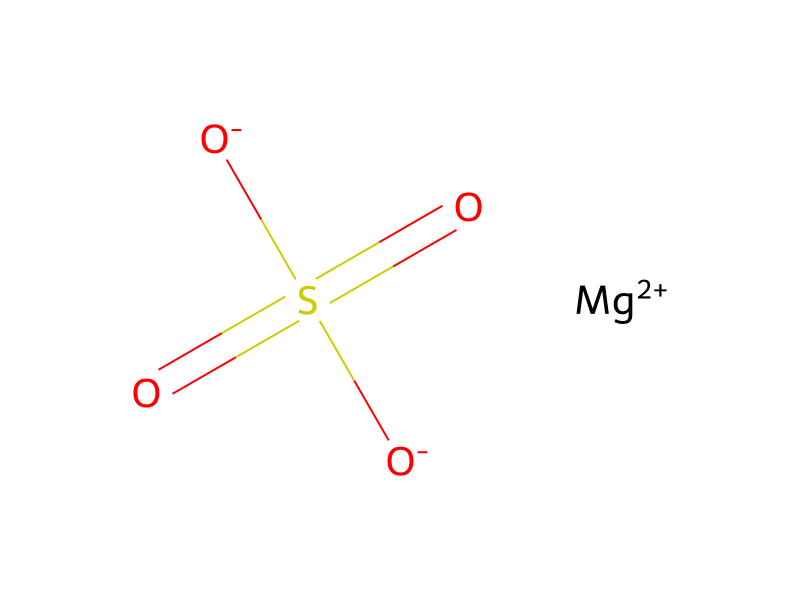
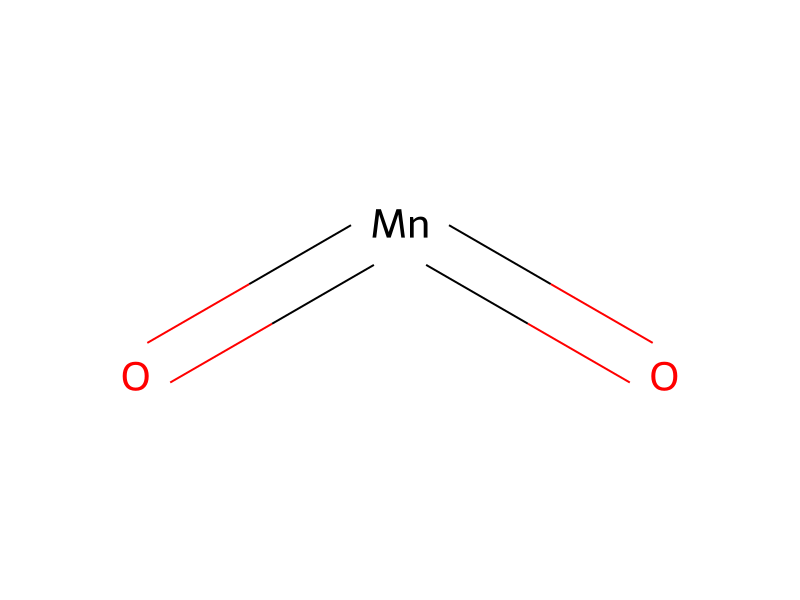
Following the literature procedure of Lai, G. et al. (Synleft, 2001, 230-231), a stirred solution of 3′,4′-dihydro-1′H-spiro[[1,3]dioxolane-2,2′-naphthalene]-6′-carbaldehyde (440 mg, 2.0 mmol) in THF (2 mL) was charged with NH3 (2M solution in isopropanol, 15 mL, 30 mmol, 15 eq) and anhydrous MgSO4 (3.64 g, 30 mmol, 15 eq). After 1 hour, MnO2 (Aldrich, 85%, 3.1 g, 30 mmol, 15 eq) was added in small portions and the resulting mixture was stirred at room temperature for 20 hours. The reaction mixture was diluted with CH2Cl2 (40 mL) and filtered through Celite. The filtrate was concentrated in vacuo to give 0.42 g (100%) of 3′,4′-dihydro-1′H-spiro[[1,3]dioxolane-2,2′-naphthalene]-6′-carbonitrile as a brown oil. 1H NMR (300 MHz, CDCl3): δ 7.42 (s, 1H), 7.40 (d, 1H, J=8.0 Hz), 7.12 (d, 1H, J=8.0 Hz), 4.03 (s, 4H), 3.02 (s, 2H), 3.00 (t, 2H, J=6.9 Hz), 1.96 (t, 2H, J=6.9 Hz). The material was sufficiently pure and it was used in the next step without further purification.