Reaction equation

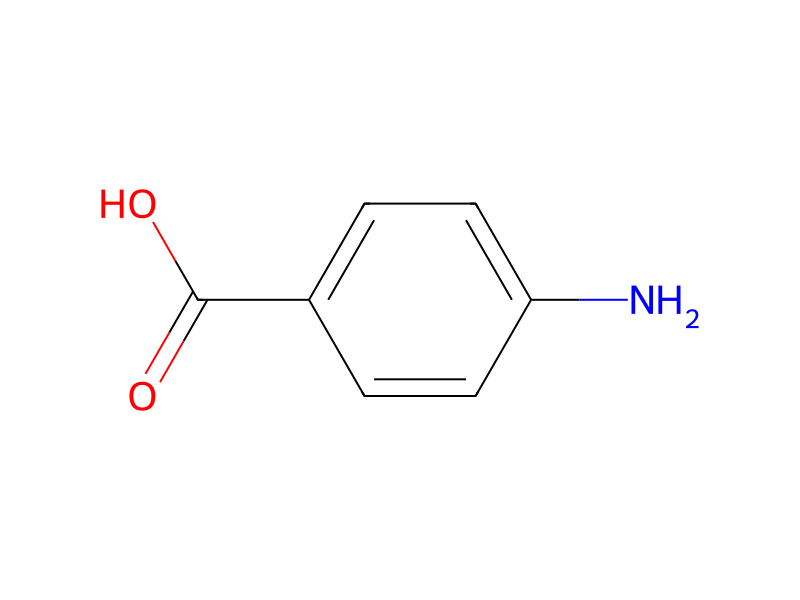
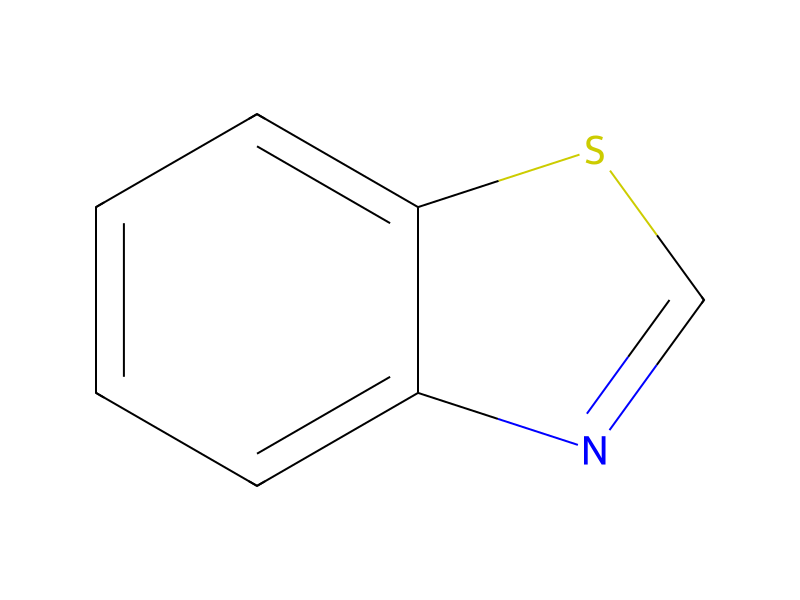
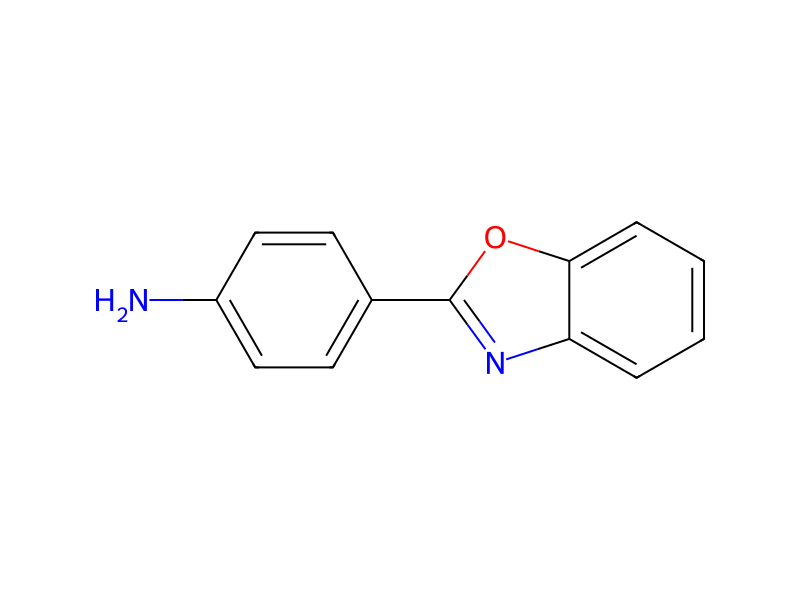
[NH2:1][C:2]1[CH:7]=[CH:6][CH:5]=[CH:4][CH:3]=1.[NH2:8][C:9]1[CH:17]=[CH:16][C:12]([C:13]([OH:15])=O)=[CH:11][CH:10]=1.[N-:18]=[C:19]=[S:20].C(Cl)(Cl)=S.[C:25]([CH2:27][C:28]([NH2:30])=[O:29])#[N:26]>>[NH2:8][C:9]1[CH:10]=[CH:11][C:12]([C:13]2[O:15][C:3]3[CH:4]=[CH:5][CH:6]=[CH:7][C:2]=3[N:1]=2)=[CH:16][CH:17]=1.[S:20]1[C:3]2[CH:4]=[CH:5][CH:6]=[CH:7][C:2]=2[N:18]=[CH:19]1.[N:1]1[C:2]2[CH:7]=[CH:6][CH:5]=[CH:4][C:3]=2[NH:26][CH:25]=1.[C:19]([CH:27]([C:25]#[N:26])[C:28]([NH2:30])=[O:29])(=[S:20])[NH2:18]Participants
9




Procedure
The 2-(4-aminophenyl)benzoxazole, benzothiazole, or benzimidazole was prepared by condensation of the appropriate aniline derivative with p-amino benzoic acid using polyphosphoric acid. The product was converted to the corresponding isothiocyanate with thiophosgene and subsequently condensed with cyanoacetamide to form the thiocarbamoyl cyanoacetamide. Treatment with bromine afforded the cyano hydroxy thiazole, which was converted to carboxamidine by treatment with the appropriate amide, as shown above.
Sources & evidence
- ORD record
- ord-acf9ff7ba07e412e9887c036d410a8b1
- Source dataset
- uspto-grants-2010_01
- Patent number
- US07652047B2
Linked notes
Loading…