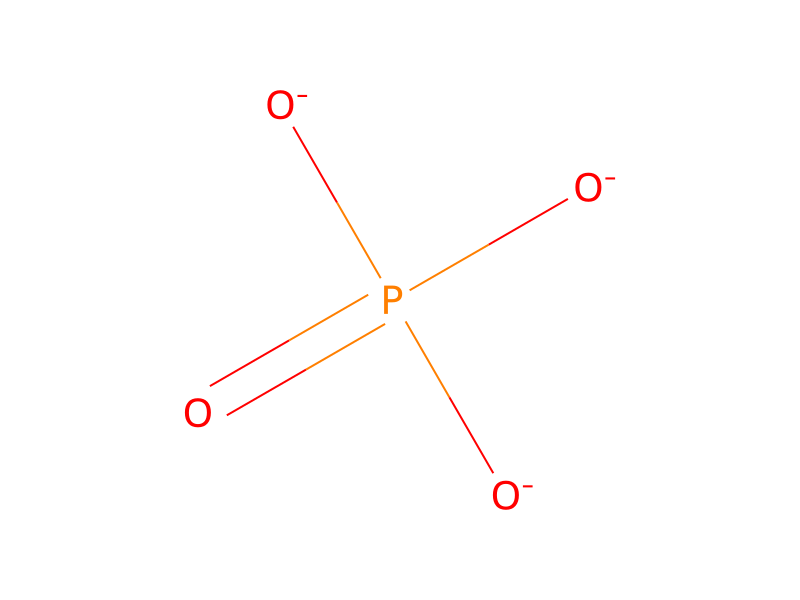
C(C1C(=O)C(Cl)=C(Cl)C(=O)C=1C#N)#N.[C:15]([Si:19]([CH3:32])([CH3:31])[N:20]1[C:24]2=[N:25][CH:26]=[C:27]([CH2:29][OH:30])[CH:28]=[C:23]2[CH2:22][CH2:21]1)([CH3:18])([CH3:17])[CH3:16]>C(Cl)Cl.P([O-])([O-])([O-])=O>[C:15]([Si:19]([CH3:32])([CH3:31])[N:20]1[C:24]2=[N:25][CH:26]=[C:27]([CH2:29][OH:30])[CH:28]=[C:23]2[CH:22]=[CH:21]1)([CH3:18])([CH3:17])[CH3:16]DDQ (53 mg, 0.23 mmol) was added in three equal portions to a stirred solution of alcohol 14 (54 mg, 0.20 mmol) in a mixture of CH2Cl2 (15 mL) and 0.2 M pH 7 phosphate buffer (0.15 mL). When TLC analysis showed complete consumption of the starting material, the mixture was diluted with saturated aqueous NaHCO3 (16 mL) and stirred vigorously for 1 h. Then the mixture was extracted with AcOEt (2×). The combined organic extracts were washed with saturated brine (1×), dried (MgSO4) and concentrated. The residue was purified by PTLC with benzene as eluent to afford alcohol 15 (16 mg, 31%). 1H NMR (400 MHz; CDCl3) δ 0.63 (s, 6H), 0.93 (s, 9H), 4.77 (s, 2H), 6.52 (d, J=3.5 Hz, 1H), 7.26 (d, J=3.5 Hz, 1H), 7.89 (d, J=2.0 Hz, 1H), 8.28 (d, J=2.0 Hz, 1H).