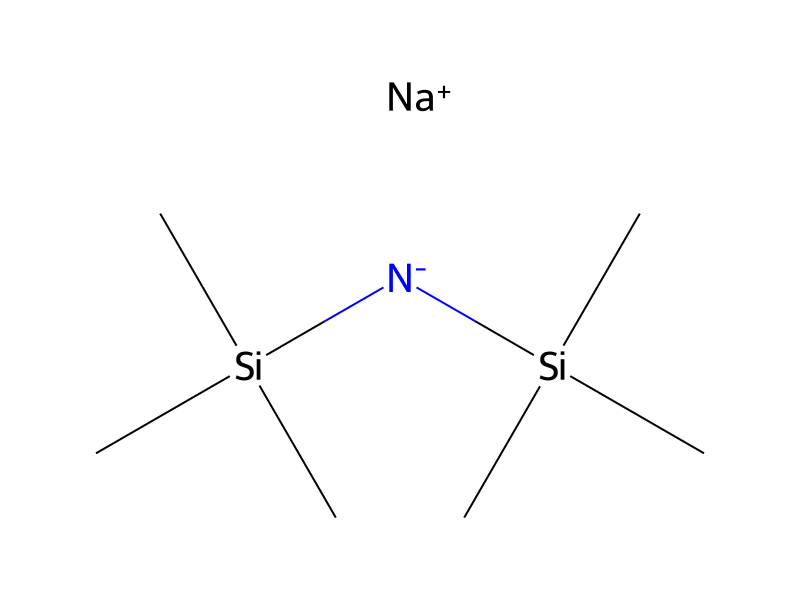
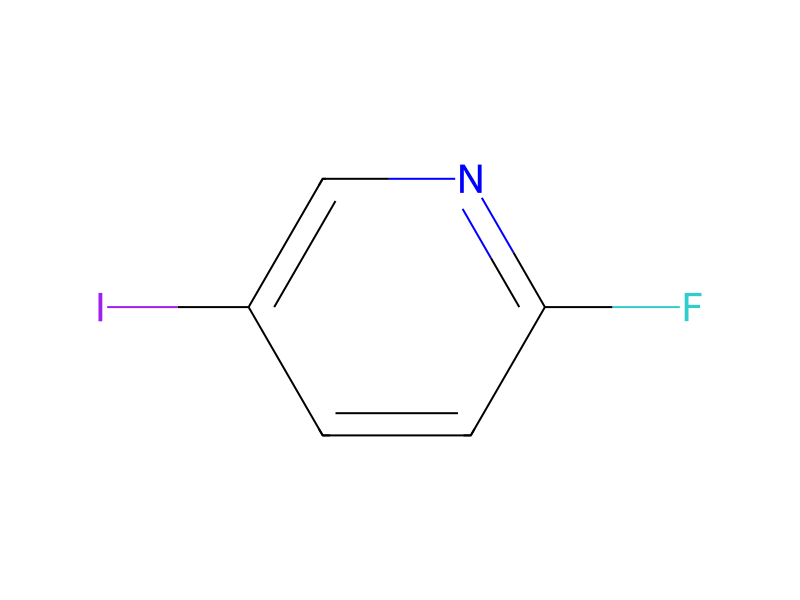
In a dry flask under argon, 2-fluoro-5-iodo-pyridine (3.85 g, 17.3 mmol) and cyclobutanecarbonitrile (1.40 g, 17 mmol) were dissolved in dry toluene (15 mL). The solution was cooled to 0° C. and sodium bis(trimethylsilyl)amide (1.0 M, 19 mL, 19 mmol) was added dropwise over 15 min. After 1 h, the solution was allowed to warm to room temperature and stirred for 26 h. The reaction was diluted with saturated aqueous NH4Cl (10 mL) and CH2Cl2 (10 mL). The layers were separated and the aqueous layer was extracted with CH2Cl2 (2×10 mL). The combined organic layers were dried over MgSO4, filtered and concentrated in vacuo to yield 4.0 g of 1-(5-iodo-pyridin-2-yl)-cyclobutane carbonitrile as a viscous, light brown oil, m/z 285.4 [M+H]+.