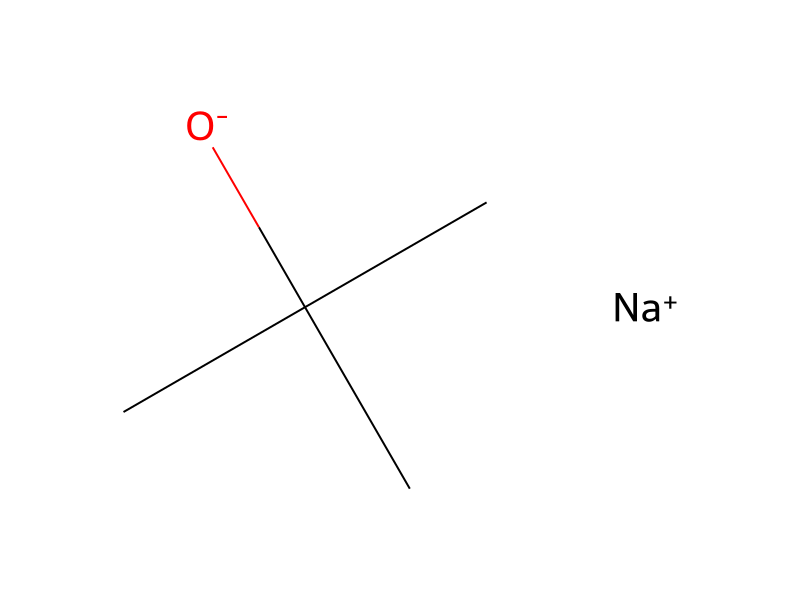
Sodium t-butoxide → 9-(9-(3'-(Dibenzo[b,d]thiophen-4-yl)-[1,1'-biphenyl]-3-yl)-carbazol-3-yl)-pyrido[2,3-b]indole
HRID 2039431
Reaction equation

[CH:1]1[C:13]2[NH:12][C:11]3[C:6](=[CH:7][CH:8]=[CH:9][CH:10]=3)[C:5]=2[CH:4]=[C:3]([N:14]2[C:22]3[C:17](=[CH:18][CH:19]=[CH:20][CH:21]=3)[C:16]3[CH:23]=[CH:24][CH:25]=[N:26][C:15]2=3)[CH:2]=1.Br[C:28]1[CH:29]=[C:30]([C:34]2[CH:39]=[CH:38][CH:37]=[C:36]([C:40]3[C:45]4[S:46][C:47]5[CH:52]=[CH:51][CH:50]=[CH:49][C:48]=5[C:44]=4[CH:43]=[CH:42][CH:41]=3)[CH:35]=2)[CH:31]=[CH:32][CH:33]=1.CC(C)([O-])C.[Na+]>C1(C)C(C)=CC=CC=1.C1C=CC(/C=C/C(/C=C/C2C=CC=CC=2)=O)=CC=1.C1C=CC(/C=C/C(/C=C/C2C=CC=CC=2)=O)=CC=1.C1C=CC(/C=C/C(/C=C/C2C=CC=CC=2)=O)=CC=1.[Pd].[Pd].C1(P(C2CCCCC2)C2C=C(C3C(OC)=CC=CC=3OC)C=CC=2)CCCCC1>[CH:43]1[C:44]2[C:48]3[CH:49]=[CH:50][CH:51]=[CH:52][C:47]=3[S:46][C:45]=2[C:40]([C:36]2[CH:35]=[C:34]([C:30]3[CH:31]=[CH:32][CH:33]=[C:28]([N:12]4[C:13]5[CH:1]=[CH:2][C:3]([N:14]6[C:22]7[C:17](=[CH:18][CH:19]=[CH:20][CH:21]=7)[C:16]7[CH:23]=[CH:24][CH:25]=[N:26][C:15]6=7)=[CH:4][C:5]=5[C:6]5[C:11]4=[CH:10][CH:9]=[CH:8][CH:7]=5)[CH:29]=3)[CH:39]=[CH:38][CH:37]=2)=[CH:41][CH:42]=1Participants
7
Reactant 3


Product 1

Reagents, catalysts & solvents 3


